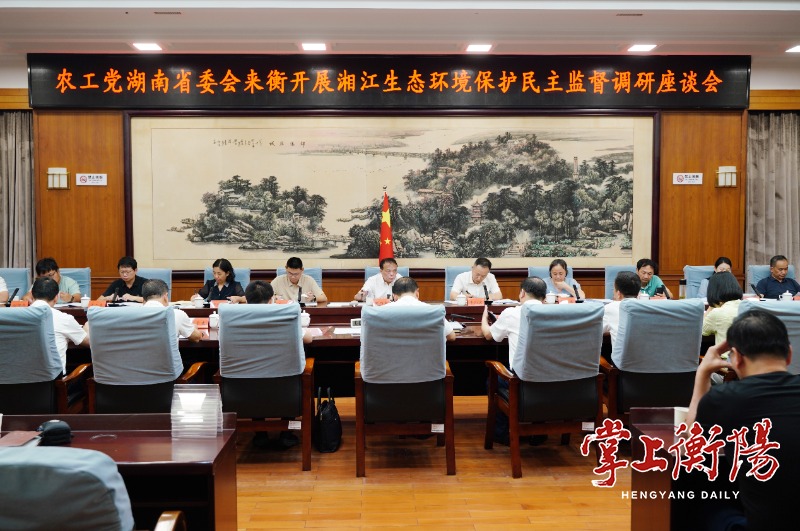
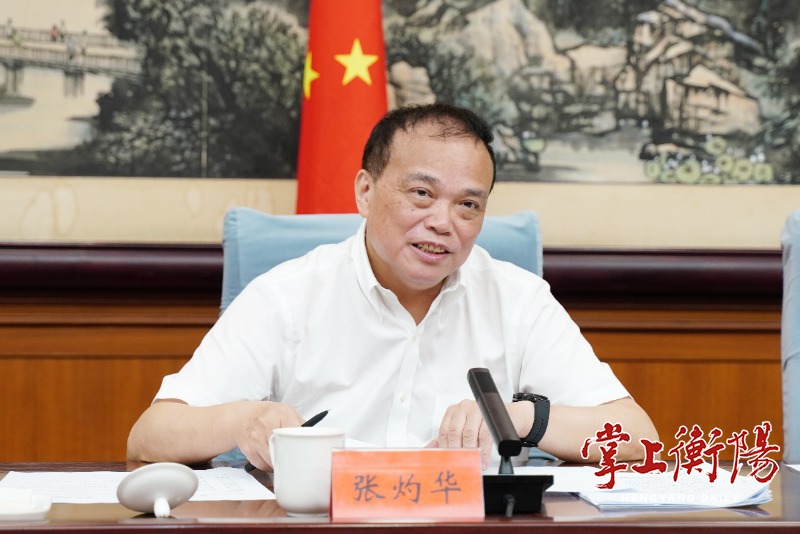
From July 17 to 18, Zhang Zhuohua, Vice Chairman of the Provincial Political Consultative Conference and Chairman of the Provincial Committee of the China Democratic League, led a delegation to Hengyang to conduct democratic supervision and research on the ecological environment protection of the Xiangjiang River. He emphasized the importance of showcasing the consultative and cooperative nature of democratic supervision, leveraging the strengths of the China Democratic League to meet Hengyang’s needs for green development, and advancing the quality and effectiveness of democratic supervision for the Xiangjiang River ecological environment protection.
Zhang and his team visited several locations including the Zhaijiacong Tailings Pond in Changning City, the Shikoushan Economic Development Zone Industrial Wastewater Treatment Plant, and the Wukang Beryllium Co., Ltd., to conduct on-site inspections of tailings pond environmental risk prevention, pollution control, grassroots monitoring point construction, and waste residue disposal and utilization. They also visited the Binjiang Sewage Treatment Plant in Chashan’ao Town, the City South Water Plant of Hengyang Water Group Co., Ltd., the Xingfu River, and the Municipal Traditional Chinese Medicine Hospital to examine the operation of grassroots monitoring points, the status of water resource management, black and odorous water body treatment, medical wastewater and waste disposal.
At the symposium, after listening to reports on the relevant situations, Zhang Zhuohua commended the achievements of Hengyang in ecological environment protection. He stressed the need to effectively address the issues identified in the central and provincial environmental inspections, continuously improve the city's ecological environment quality, and strengthen the scientific planning and governance of mining site restoration. He also called for coordinated efforts in pollution prevention and ecological restoration, systematic advancement of urban and rural sewage pipeline network construction, and integrated funding for sewage treatment and toilet renovations. Additionally, he encouraged the large-scale recycling of livestock and poultry waste, enhanced management of agricultural non-point source pollution, and the establishment of centralized livestock waste collection points at the township level. He further emphasized the need to strengthen and standardize medical waste disposal, improve medical waste collection and transportation capacity, and advance the Xiangjiang River Basin’s "Four Cleans" (cleaning up illegal activities, pollution, waste, and disorder) with a focus on flood prevention and the development of a digital twin intelligent system for the river basin. Finally, he urged the deepening of special democratic supervision and improving the efficiency of grassroots monitoring points.
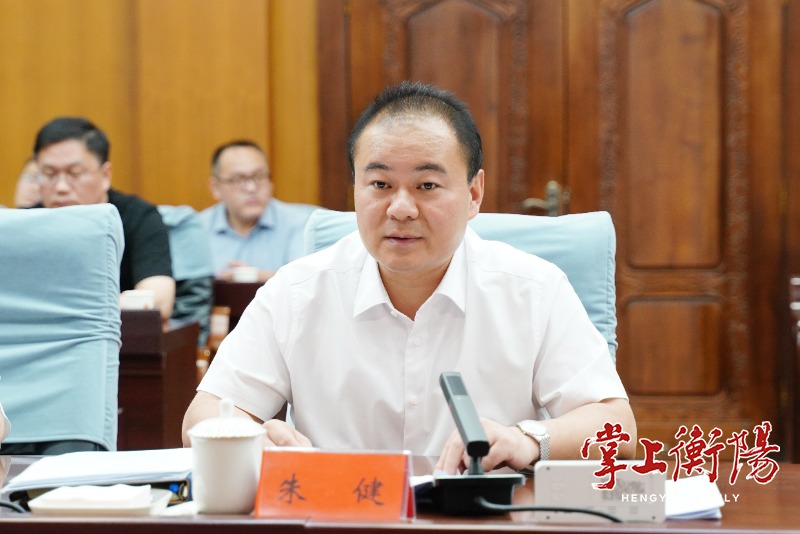
In response, Mayor Zhu Jian affirmed Hengyang's commitment to thoroughly studying and implementing Xi Jinping's thoughts on ecological civilization and the important speeches and instructions from General Secretary Xi Jinping’s visit to Hunan. He pledged to firmly adhere to national and provincial policies, follow the path of ecological priority and green development, and uphold the baseline for ecological safety. Zhu also promised to address the issues identified in the research feedback, focusing on key areas, problems, and weak links, and ensuring thorough, effective, and responsible implementation of solutions. He vowed to strengthen the management of ecological civilization construction, adjust industrial structures, and promote carbon reduction, pollution control, and green development to protect natural resources and support high-quality development.
Li Jianwen, the full-time Vice Chairman of the Provincial Committee of the China Democratic League, participated in the research, while Liu Zhangyu, a city leader, chaired the symposium. Other city leaders, including Wu Lisheng and Xu Yunsheng, also participated in the research activities.
Translator: Jing