-- Article list --
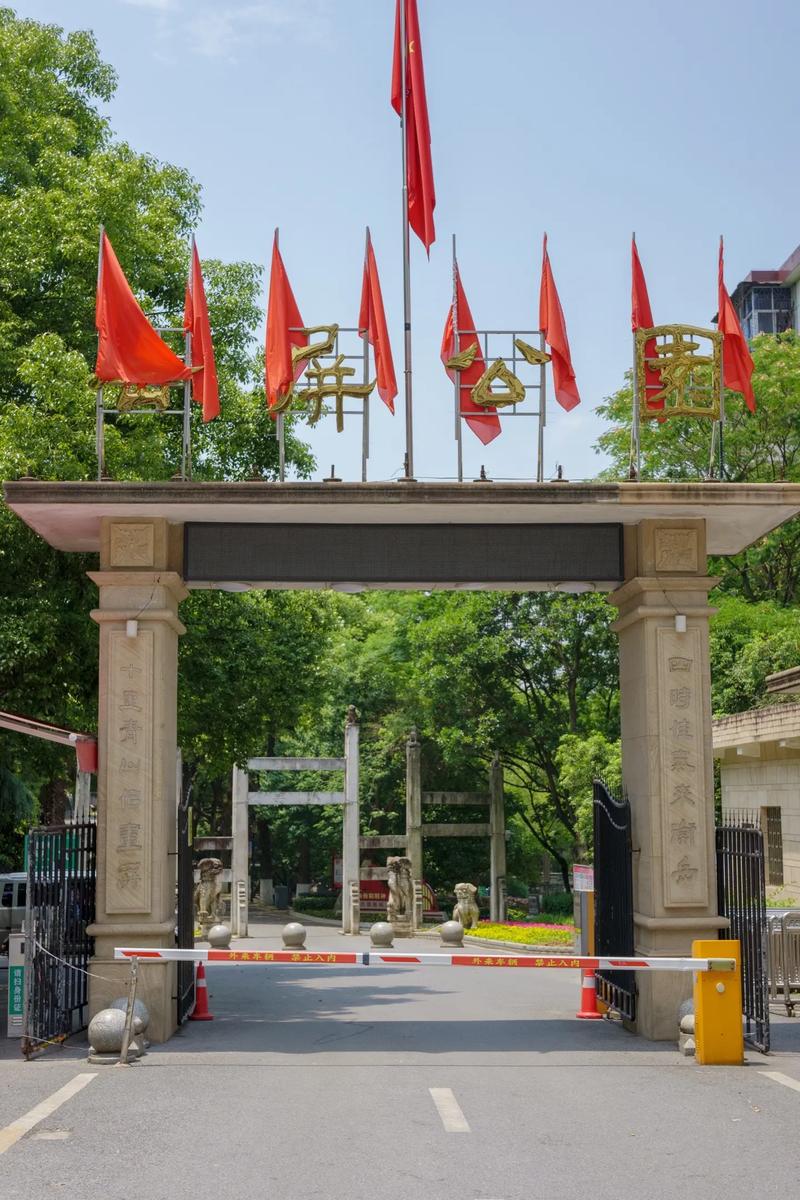
Yueping Park (Yueping Mountain) is located in Yanfeng District, Hengyang City, covering a total area of 21 hectares (including 5 hectares of water surface of Yunshui Lake). The park was first built in 1952 and is the earliest and largest comprehensive park in downtown Hengyang.
Two of the “Eight Scenic Spots of Hengyang”—“Dragon’s Claws Appearing in the Spring Brook of Huayao” and “Birds Chirping on the Snowy Ridge of Yueping”—are situated within the park. According to legend, during the Eastern Jin Dynasty (317–420 AD), two immortals, Huang and Ge, refined medicine and alchemy here; a peony tree on the mountain attracted flocks of rare five-colored birds. It is also said that this was where He Xiangu gathered herbs, and that many of the mountain’s plants were precious medicinal species—hence Yuepingshan is also called Huayao Mountain. Huayao Temple was founded in the fifth year of the Baoyou era of the Southern Song Dynasty (1257). To the west of the temple lay the “Spring Brook Ancient Well,” which remained clear and never dried up all year round. Overflowing well water formed a brook that flowed past the temple gate. The gilded carved dragons on the gate pillars were mirrored in the stream, their reflections shifting with the flowing water as if dragons lurked beneath—thus creating the scenic wonder “Dragon’s Claws Appearing in the Spring Brook of Huayao.” In 1968, the temple was demolished during the Cultural Revolution.
Within the park lies Yueping Mountain, so named because it faces Mount Heng (Nanyue) from afar, serving as its natural screen. In winter, when snow falls, the view is spectacular: white peaks capped with snow. After the snow stops, flocks of birds forage on the mountain, chirping and calling to one another, inspiring poets to compose the famous line “Birds Chirping on the Snowy Ridge of Yueping.”
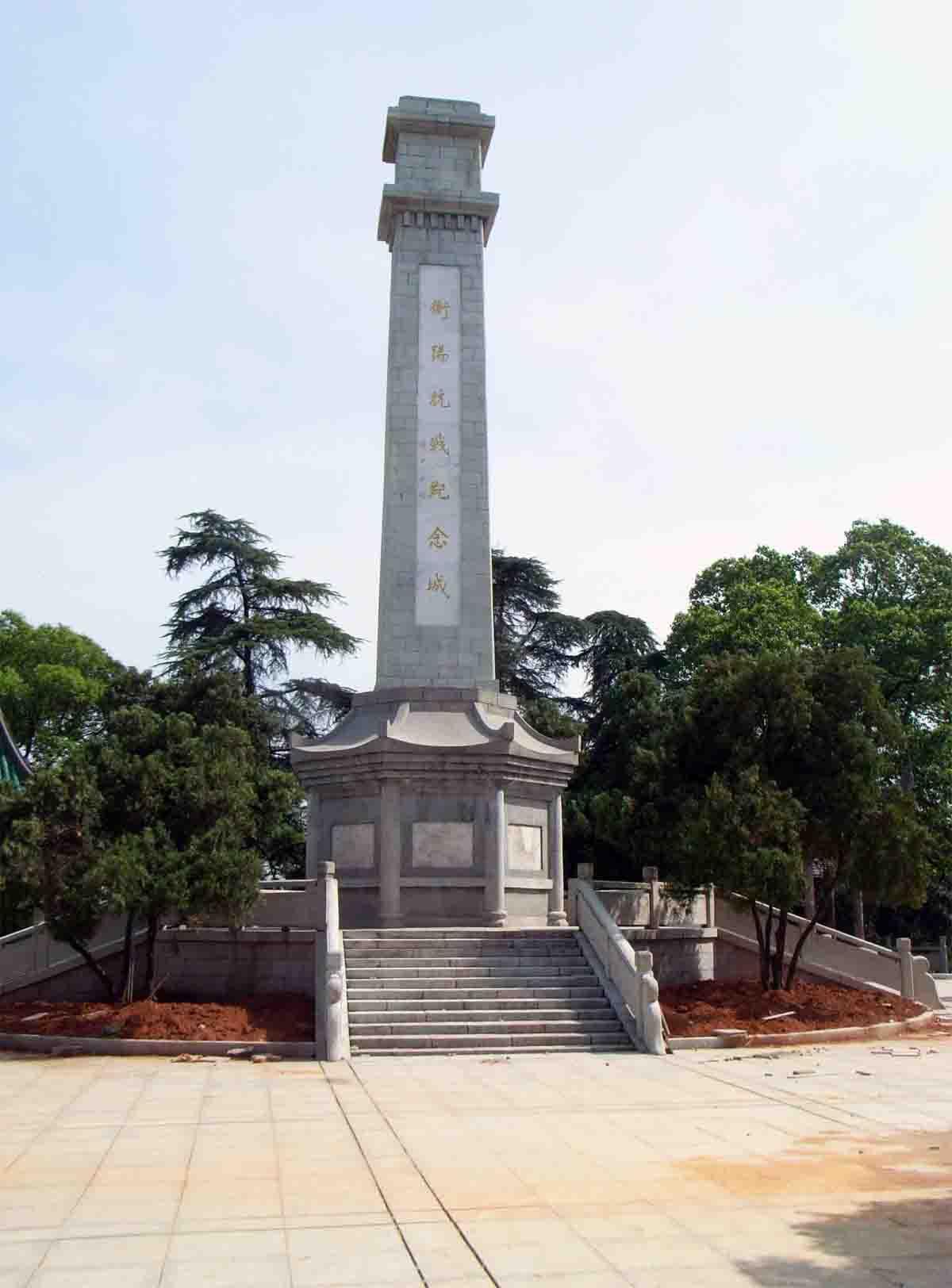
At the end of the Qing Dynasty and the beginning of the Republic of China, “Yueping Academy” was built atop the mountain but was destroyed by Japanese invaders in 1944. In August 1947, the people of Hengyang erected a brick pagoda on the peak to honor more than 20,000 soldiers who had died resisting the Japanese. The pagoda bore seven characters in the calligraphy of Chiang Kai-shek, then Chairman of the Nationalist Government: “Hengyang Anti-Japanese War Memorial City.” When it was rebuilt in 1983, since the original inscription no longer existed, the characters were rewritten in the calligraphy of Cheng Xingling, Chairman of the Hunan Provincial Committee of the Chinese People’s Political Consultative Conference. The pagoda stands 18.16 meters tall. In order to enhance Hengyang’s status as a national historical and cultural city and to create an excellent Chinese tourist city, the municipal government invested in a comprehensive renovation of the “Hengyang Anti-Japanese War Memorial City” scenic area starting April 14, 2007. This restoration revived the historical appearance of Chiang Kai-shek’s original inscription, added a memorial hall, and constructed large-scale group sculptures of anti-Japanese figures and a “Peace Bell.” On March 5, 2009, the municipal government approved the construction of the “Hengyang Anti-Japanese Defense Battle Cultural Wall,” about 260 meters long and 4 meters high, predominantly black in tone and made of granite. The memorial wall features six selected artworks, 42 poems, 20 couplets, and 25 inscriptions and sacrificial texts by key Nationalist and Communist government figures and public dignitaries commemorating the fallen of the 10th Army, enriching the atmosphere of “anti-Japanese culture.”
Inside the park’s south gate stands a vivid white marble stone lion, gazing at the white marble memorial archway inscribed with the neatly antithetical couplet: “The four seasons’ fine air comes from Mount Heng; ten miles of green hills form a painted screen.” Within the park are pavilions such as the Wintersweet Pavilion and Red Maple Pavilion, as well as a nine-turn bridge corridor, an octagonal pavilion, a ring-water island, rock fountains, and other landscapes. There are also supporting leisure and entertainment facilities including a children’s playground, swimming pool, hotel restaurant, and teahouse.
Yueping Park was awarded “Best Park of Hunan Province” in 1991, named “Best Venue” in Hunan’s nationwide fitness initiative in December 1998, and designated a two-star “Civilized Unit” of Hengyang City in March 2011. The Hengyang Anti-Japanese War Memorial City was listed as a “Provincial-Level Cultural Relics Protection Unit” by the Hunan Provincial People’s Government in May 2002, recognized as a “Youth Patriotic Education Base of Hunan Province” in July 2010, included in the “Second Batch of National Classic Red Tourism Sites” by the National Development and Reform Commission in August 2010, approved as a national AAA-level tourist attraction in December 2010, listed as a “Party Member (Historical) Education Base of Hengyang City” in August 2012, and included in the “First Batch of National Anti-Japanese War Memorial Facilities and Sites Directory” on September 1, 2014.
Today, Yueping Park has taken on a fresh look, offering elegant surroundings and enchanting scenery, becoming a prime destination for leisure, recreation, and tourism.
The “Hengyang Anti-Japanese War Memorial City” scenic area is located atop Yueping Mountain within Yueping Park and forms an important part of the park. It was established to commemorate the “Defense of Hengyang” from June 22 to August 8, 1944.
The Defense of Hengyang took place while Allied naval forces in the Pacific were achieving successive victories. Facing disruption of maritime supply routes, Japan planned to open an overland transport corridor to Vietnam. To secure this route, Japan committed its elite forces to a massive offensive aimed at seizing the Hengxiang Railway, then held solely by Chinese Nationalist troops.
The Nationalist 10th Army, numbering just over 17,000 men, faced a Japanese force ten times its size, yet held out in a bloody defense of Hengyang for 48 days—a rare feat in world history, hailed as the “Battle of Moscow” of the East.
It was the largest campaign of the later stage of China’s War of Resistance against Japan, and the longest, bloodiest, and most grueling urban battle in the eight-year war, with enormous casualties on both sides.
To honor the more than 20,000 soldiers who died in the Defense of Hengyang, in December 1945 Yang Xiaolu, Speaker of the Hengyang Municipal Council, along with Deputy Speaker Ou Bingkun and others, jointly submitted a petition to the Nationalist Government requesting that Hengyang be designated a national Anti-Japanese War Memorial City. On December 18, 1946, the Chinese government approved Hengyang as the country’s only “Anti-Japanese War Memorial City.”
In August 1947, after victory in the war, the Nationalist Government formally designated Hengyang as an Anti-Japanese War Memorial City. On August 10, 1947, the naming and foundation ceremony for the Hengyang Anti-Japanese War Memorial City was held atop Yueping Mountain. Chiang Kai-shek delivered a message stating: “Our 10th Army’s remnant forces, drenched in blood, held fast to this isolated city for 47 days—this is a rare miracle in world history, and the finest manifestation of moral strength in China. During the eight years of resistance, hundreds of thousands of martyrs died on the battlefield; countless others defended our land unyieldingly. Yet none contributed as greatly or played as decisive a role in the ultimate victory as the defenders of Hengyang.” Chiang Kai-shek personally wrote the seven characters “Hengyang Anti-Japanese War Memorial City,” and in April 1948, the monument bearing this inscription was erected atop Yueping Mountain. Every year, on major memorial days such as Qingming Festival, June 22, July 7, August 8, September 18, and December 9, compatriots from Taiwan, anti-Japanese veterans, government agencies, enterprises, military units, teachers and students from schools of all levels, and large numbers of citizens and tourists come to pay their respects, hold public memorial ceremonies, and deeply commemorate the loyal martyrs who gave their lives in the Defense of Hengyang.
In 2007, the Hengyang Municipal Government invested in a large-scale renovation of the site. Major attractions now include: the “Hengyang Anti-Japanese War Memorial City” Monument, the Memorial Hall, the Anti-Japanese War Memorial Archway, the Meritorious Service Pavilion, the Loyalty and Bravery Pavilion, the Peace Bell, group sculptures of soldiers and civilians, and the Anti-Japanese Cultural Wall.
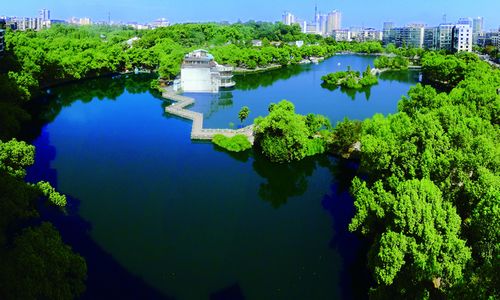
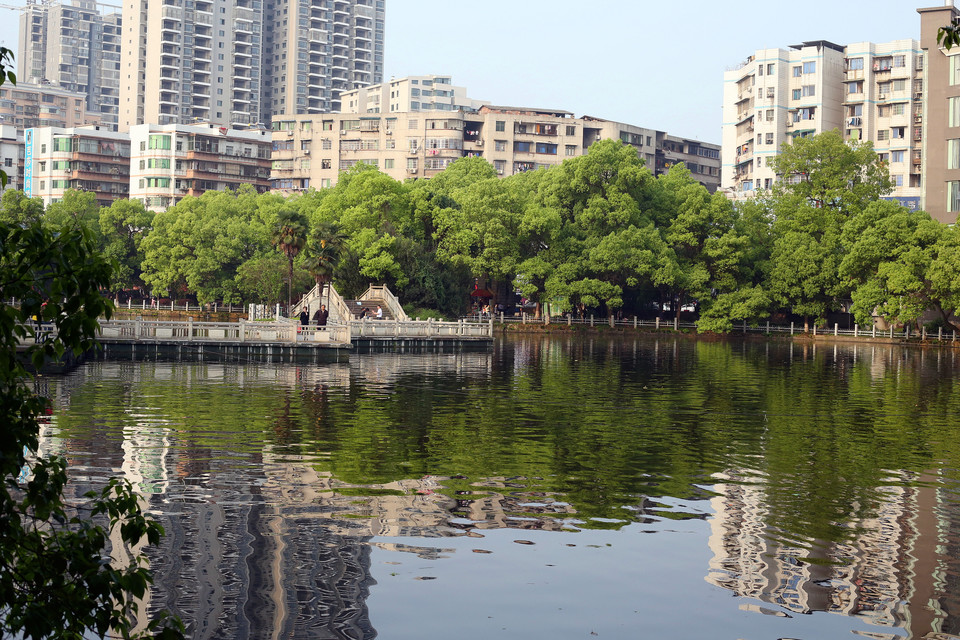
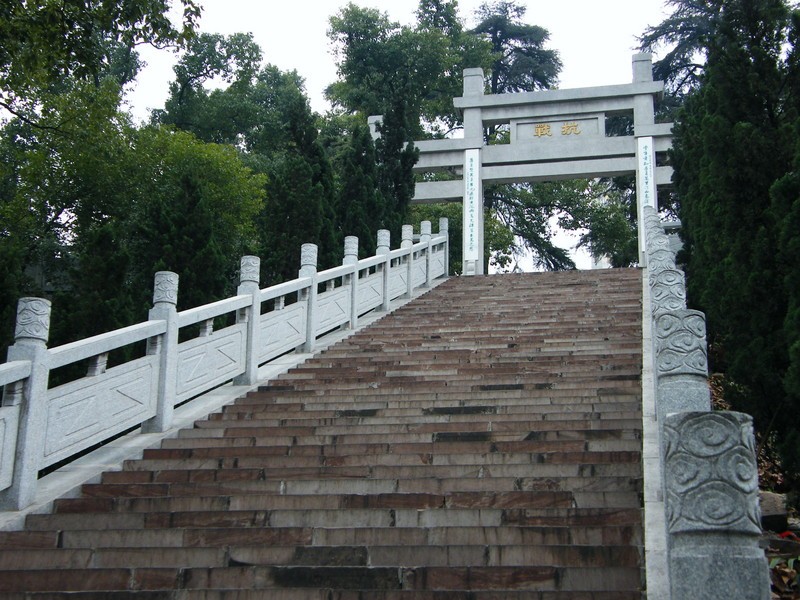
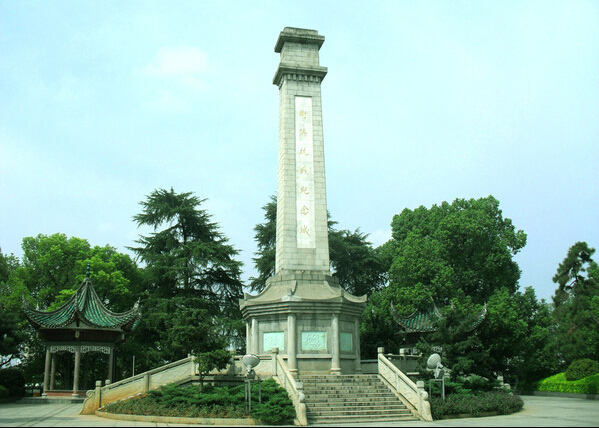
Yueping Park is located in the south of Hengyang city. It covers a total area of 21 hectares. In the west of the park is the City Museum, where thousands of pieces of cultural antique and relics are displayed. Additionally, the zoo is located here, which includes a Mount Monkey, Birds and Beasts Lake, Fishpond, etc. Skating rink and man-made lake for boating are constructed on the south mountain of Yueping. Yueping Park presents harmonious world to tourists with elegant pavilions, brilliant bridges, tranquil pebble-paved paths, fragrant flowery gardens and grand rocks.
Transport: Take No.1,3,12,16,20,33,K1 buses in Hengyang
Tel:0734-8156582
Admission (for reference): Free of charge
Opening hour: 8:00--18:00
Location:Zhengyang South Road,Yanfeng District,Hengyang