-- Article list --
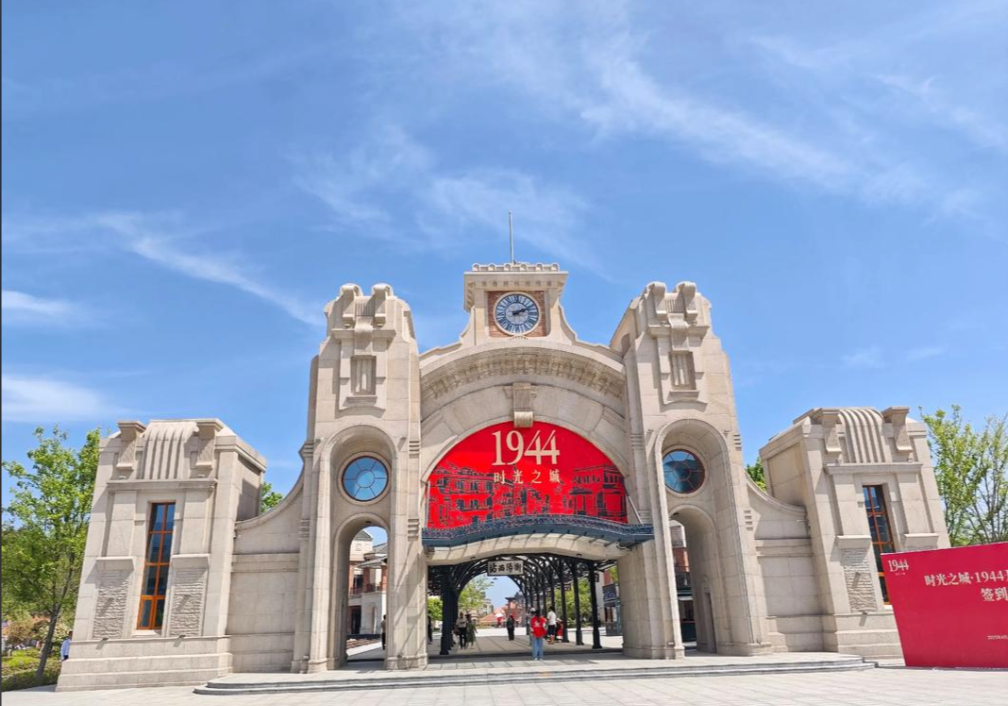
Historical Backdrop
Time City · 1944 is a landmark cultural destination in Hengyang built around one of the most pivotal chapters of the Second Sino-Japanese War—the 47-day Defense of Hengyang in 1944. Often called "the Eastern Stalingrad," the battle was among the war's longest and fiercest urban defenses, earning Hengyang its posthumous title as "City of Heroes." The site occupies a thoughtfully restored area that preserves the spatial memory of wartime Hengyang while anchoring the city's broader effort to honor this defining moment in its modern history.
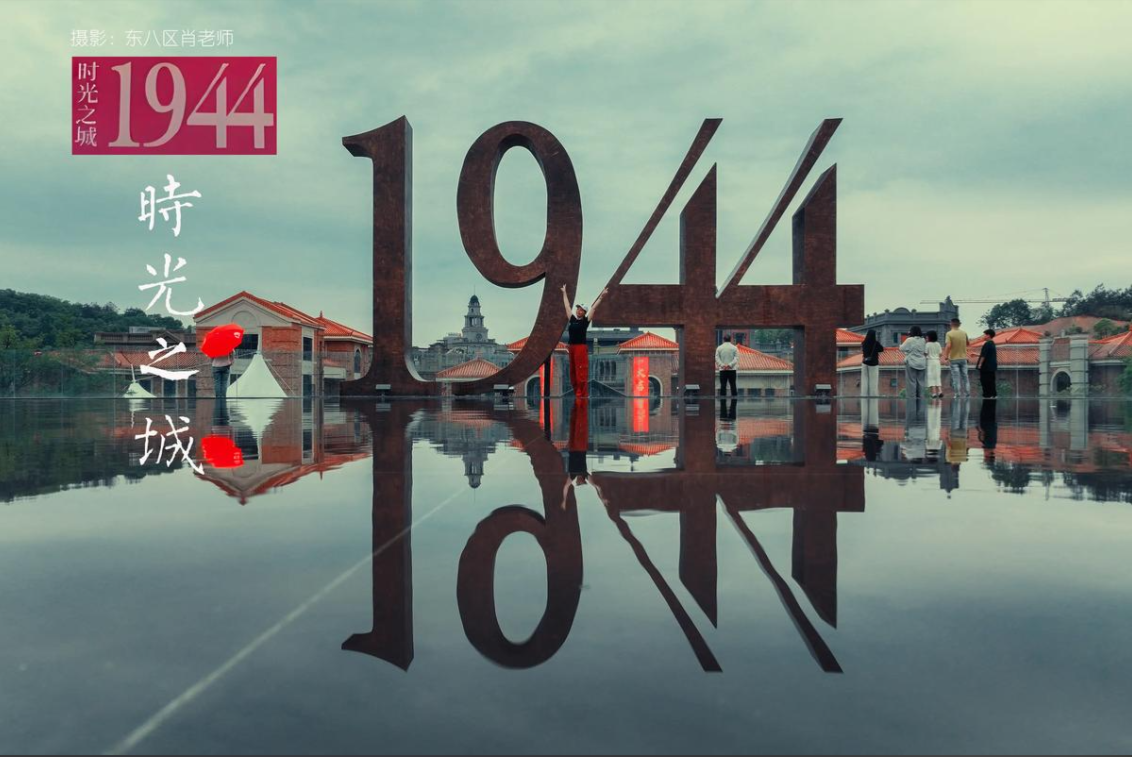
Transformation Highlights
Rather than a conventional museum, Time City reimagines historical remembrance as an immersive, walkable environment. The complex blends restored period architecture with cutting-edge multimedia installations, life-size street scenes from 1940s Hengyang, and interactive exhibits that bring wartime civilian and military narratives to life. Thematic zones shift between somber memorial spaces and atmospheric commercial streets, where heritage buildings house cafés, bookstores, and creative studios—proving that historical sites can be both reverent and vibrantly alive.
Visitor Tips
Allow 2–3 hours for a full visit. Evenings are particularly atmospheric, when period-style street lamps and ambient soundscapes heighten the immersive effect. The site is easily paired with Route 2 of Hengyang's new Xiangchao tourism circuit. Occasional live reenactments and themed night events are offered on weekends—check the official WeChat channel ahead for schedules.

The Shuikoushan Workers' Movement Exhibition Hall was first built in 1969. It is located in the Shuikoushan Lead-Zinc Mining Area of Changning City, Hengyang City—a national key transportation hub, a major city in Central South China, and a renowned historical and cultural city in Hunan Province. It is designated as a Patriotic Education Base of Hunan Province, a National Defense Education Base for All Citizens of Hunan Province, a Demonstration Site for Patriotic Education of Hengyang, a Party Spirit Education Base of Hengyang, and a National AA-Class Red Tourism Scenic Spot.
Basic Overview
Originally constructed in 1969, the exhibition hall covers a building area of 2,300 square meters, consisting of an exhibition building and auxiliary structures. The exhibition building, formerly the Soviet Expert Building, is a Major Historical and Cultural Site Protected at the National Level. Ranking second in China in terms of its founding history, it is the only exhibition hall dedicated to workers' movements in Hunan. It permanently hosts the Basic Exhibition on the Shuikoushan Workers' Movement and is open to the public free of charge.
Affiliated with the Changning Municipal Cultural Heritage Center, the exhibition hall currently has 12 staff members, with functional departments including the General Office, Exhibition & Publicity Department, Cultural Relics Protection & Research Department, and Security Department. Centered on its basic exhibitions and surrounding revolutionary sites, supported by various Party lectures featuring the deeds of martyrs and historical events of the Shuikoushan Workers' Movement, and supplemented by achievements in protecting and utilizing Shuikoushan's industrial heritage, it provides rich on-site and experiential teaching services for Party members and officials.
Basic Exhibition
Composed of a preface hall and four exhibition rooms, the exhibition is divided into five sections:
Roots in the Shang and Zhou Dynasties, Inheriting Millennium Legacy
Feudal Colonial Oppression, Sparking Spontaneous Resistance
Tide of Strikes Resounding Across the Nation
Marching to Jinggangshan, Embarking on a New Journey
Revolutionary Pioneers, Achievements Immortalized in History
Through a wealth of cultural relics, precious photographs, creative prints, and multimedia displays, it comprehensively showcases the glorious course of the Shuikoushan Workers' Movement under the leadership of the Communist Party of China.
The preface hall features a backdrop, a foreword, and slogans defining the historical status of the movement. In Hunan's revolutionary soil, Shuikoushan workers rose up in struggle, establishing the first mine Party organization, the first mine club, the first peasant union, and the first worker-peasant armed force in Hunan. They launched the world-shocking Shuikoushan Workers' Strike and formed a worker-peasant alliance that marched to Jinggangshan. Thus, Shuikoushan became a pioneer of China's workers' movement and a model of worker-peasant alliance in China.
Historical Background
In the late 19th and early 20th centuries, workers at the Shuikoushan Lead-Zinc Mine suffered severe exploitation by feudal bureaucrats and plunder by imperialist powers, living in extreme hardship. The May Fourth Movement in 1919 ignited a nationwide upsurge in the spread of Marxism.
In late April 1922, Mao Zedong personally visited Shuikoushan, lighting the fuse of the workers' movement. On December 5, 1922, over 3,000 workers went on strike, which lasted 23 days and ended in complete victory. Subsequently, workers established schools, supported the May 30th Movement, formed armed forces, launched the Shuikoushan Uprising, and assisted the Southern Hunan Uprising. In 1928, 800 miners marched to Jinggangshan, becoming the backbone of the Red Army. The movement made a significant contribution to the great victory of the Chinese revolution.
Development Progress
Record-Breaking Visitor Numbers
Since free admission in 2011, the hall has received over 1.6 million visitors, averaging more than 150,000 annually—including 800,000 minors and over 500 group visits for Party-building activities. In 2019 alone, it hosted over 200,000 visitors, 130,000 of whom were Party members and officials, and held over 260 sessions for the "Stay True to the Original Aspiration, Keep the Mission in Mind" thematic education.
Fruitful Historical Research
Further research has uncovered forgotten historical truths:
The Shuikoushan Workers' Consumer Cooperative may be the earliest prototype of a bank in the Party's history.
The ordnance workshop established by workers, which repaired and manufactured weapons, was the earliest military arsenal of the People's Army.
The Shuikoushan workers' armed force was organized into the Direct Special Battalion under the headquarters of the Fourth Red Army—the first special battalion in the PLA's history and the predecessor of the later Central Guard Regiment.
The Shuikoushan Workers' Armed Uprising was a major independent workers' uprising in Hunan, historically known as the "Shuikoushan Uprising".
Tailored Video Education
To enrich thematic education, the documentary The Great Shuikoushan Workers' Movement was produced, fully presenting its spirit: firm faith, fearlessness of sacrifice, innovation, pioneering courage, strict discipline, and unity. It deepens officials' understanding of the pioneers' perseverance in ideals and sense of mission amid hardships.
Improved Infrastructure
In 2019, a lecture hall, conference rooms, and reception rooms were added, accommodating over 80 people for meetings and training. Signage was standardized, with traffic signs at highway exits and tourist facilities upgraded—including a visitor center, guide signs, and maps. Renovations included landscaping, public toilets, office roofs, and walls. Full-time cleaners were hired, with 10 new garbage bins ensuring daily waste removal and a clean environment.
Boosting Red and Industrial Tourism
New Shuikoushan Workers' Movement Memorial Hall: Under construction with an investment of ~70 million yuan, it will have a 4,000 ㎡ main building and 3,000 ㎡ exhibition area, leveraging the movement's historical status and rich heritage.
Revolutionary Site Renovation: With a 20 million yuan investment, the Kang's Opera Stage and Kang Hanliu's Restaurant sites will be restored, with surrounding environment improved and tourist facilities built to develop a 4A-class red tourism scenic spot
Cherry blossoms on Yumu Mountain in Zhengxiang District is the ultimate spring romance.


In Xuanzhou Town, Hengshan County, thousands of mu of rapeseed flowers are in full bloom, attracting crowds of visitors who come for spring outings and flower viewing.


In March, misty rain veils the Dongzhou Island, Peach blossoms dye the vernal spring.


The garden is located in Luoqiao Town, Changning City, Hengyang. Home to over one million cherry trees, it creates a spectacular sea of blossoms, making it the premier destination for cherry blossom viewing in Hengyang. The blooming season runs from early March to early April.


The Museum of World Watch Culture is located in Xidu Hi-tech Industrial Park, Xidu Town, Hengyang County, Hengyang City.
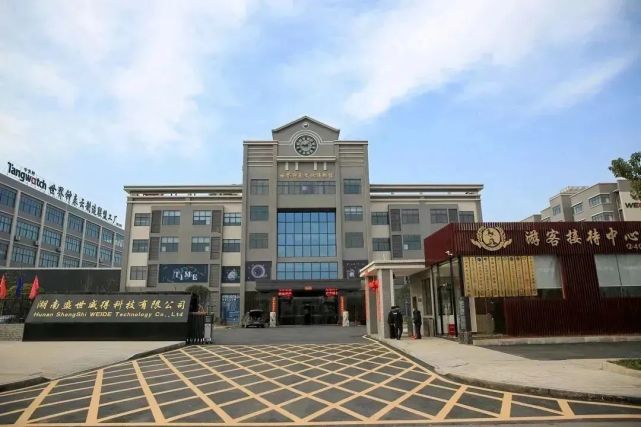
As the first museum of watch culture in Central China, it’s also a national 3A tourist attraction, provincial industrial tourism demonstration site, Hengyang industrial tourism demonstration base, education base for Hengyang primary and secondary school students’ research study tours, and the academic exchange center of global watch identification.
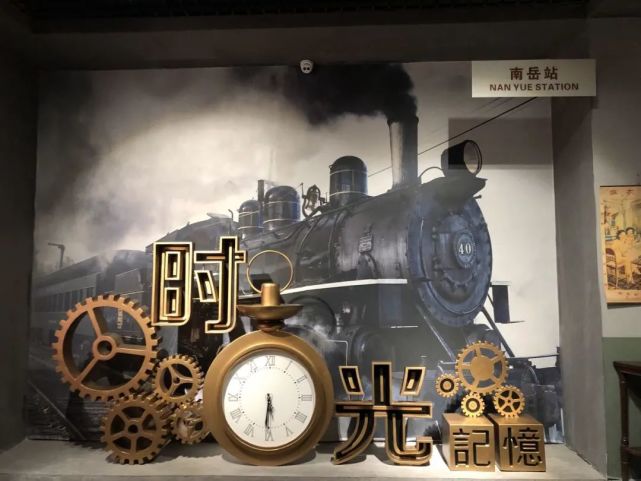
The exhibition hall focuses on the exhibition and interpretation of watch culture, and mainly tells the history of Su Song’s invention of the key escapement, the development of Swiss watch brands, the breakthrough of Japanese quartz watch industry and the rise of Chinese watch brands.
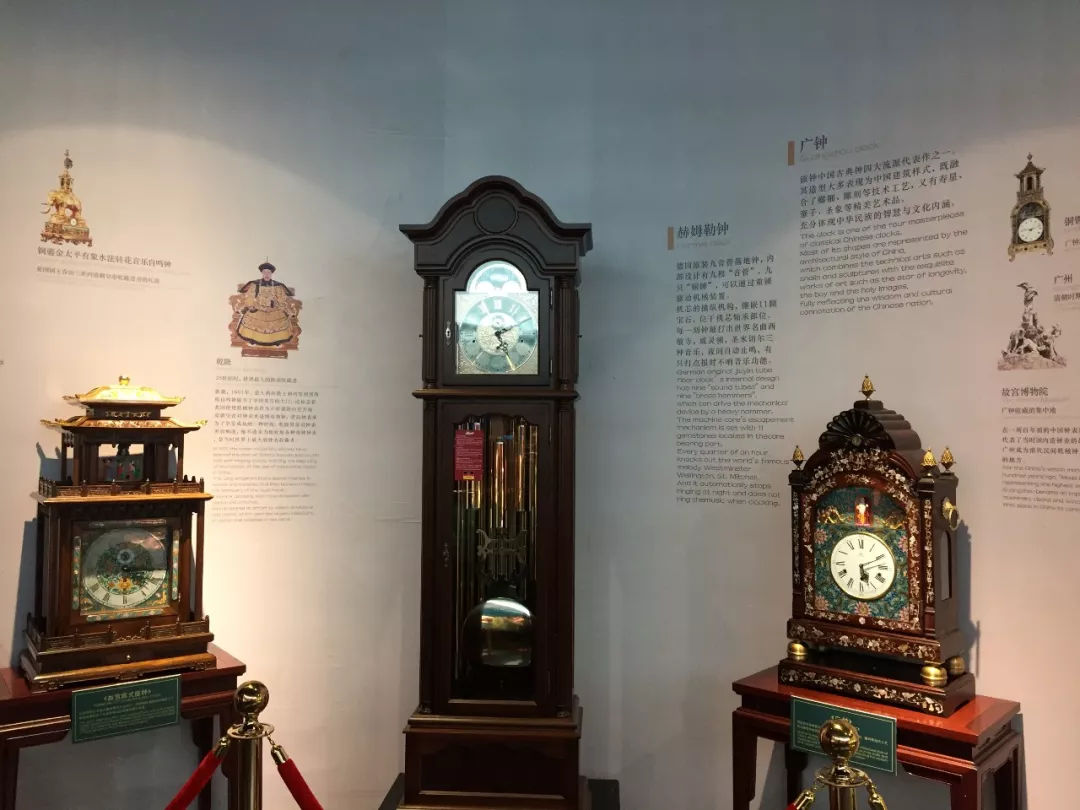
There are eight parts, including the memorial area of Su Song, who was the ancestor of clocks and watches, the exhibition area of ancient timekeeping instruments and ancient clock making tools, and the exhibition area of modern clocks and watches.
The Museum of World Watch Culture is a unique “tourism plus” project integrating the watch production factory, the watch garden landscape and the research base of watch culture for schools.
Since the exhibition on Hunan stories in cultural relics was held in Hengyang Museum of Hengyang City on September 30, the daily average number of visitors has exceeded 10,000.
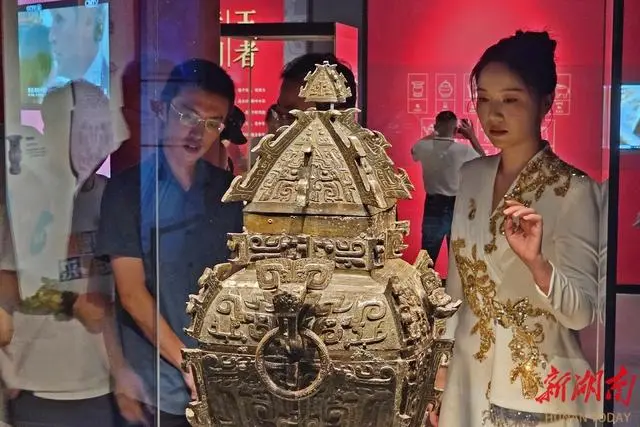
This exhibition is an important platform for inheriting and promoting Hunan culture.
It gathers 10 national treasures from Hunan Museum, 44 exquisite cultural relics from Hengyang Museum, and 1 treasure from Guizhou Provincial Museum.
Through the three major sections, it takes visitors to travel from prehistoric times to modern times and experience China’s profound cultural heritage and artistic achievements.
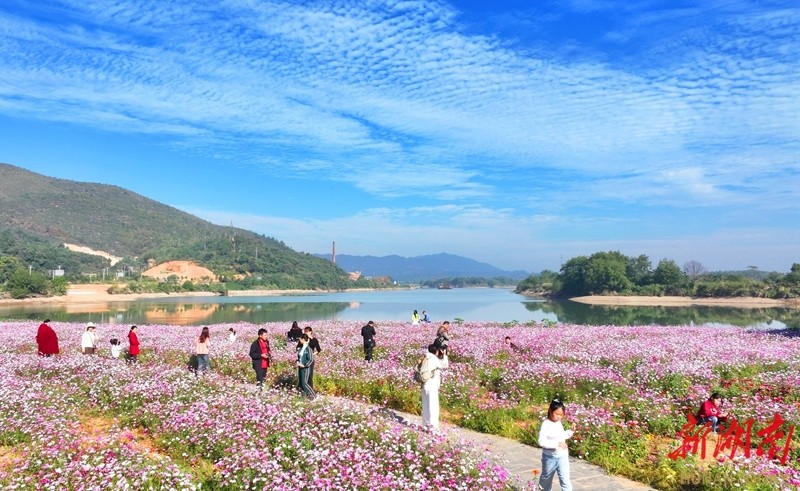
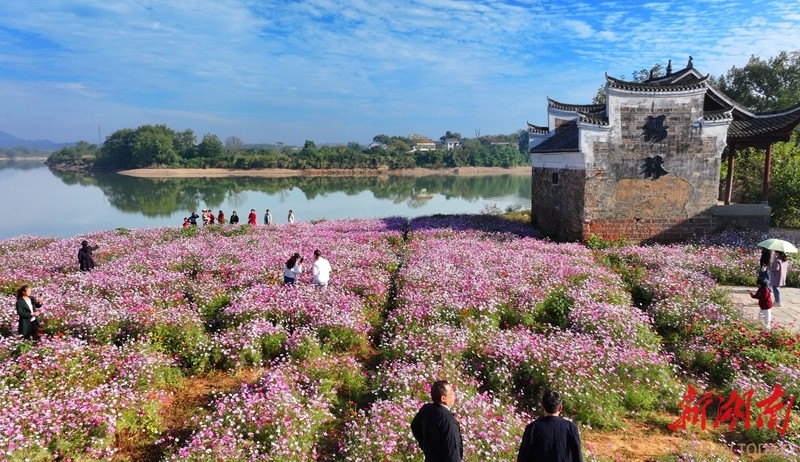

The photos taken on November 9 show tourists visiting Yanglin Ancient Village in Yanglin Town, Hengdong County, Hengyang City, enjoying the warm winter sun.
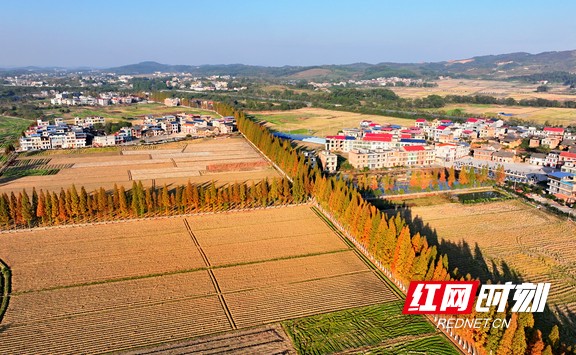
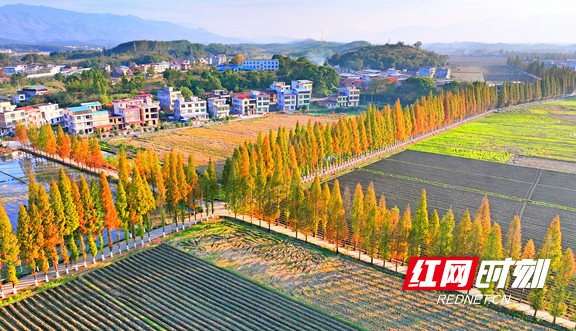

Photos taken on December 1 show multi-colored dawn redwoods in the countryside of Changjiang and Laowu villages of Sanjiaotang Town, Changning City. The charming scenery attracts many visitors to take photos or do fitness.
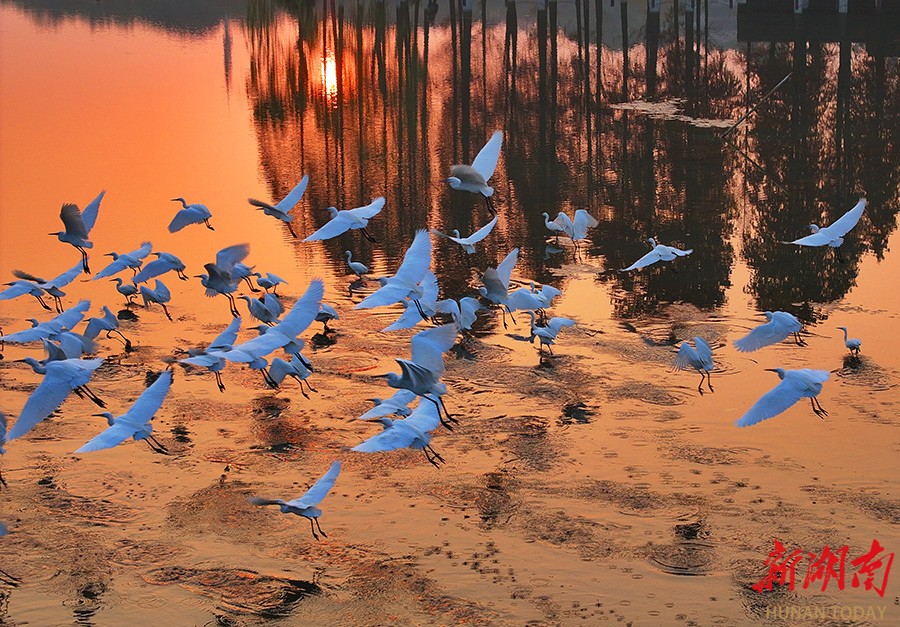
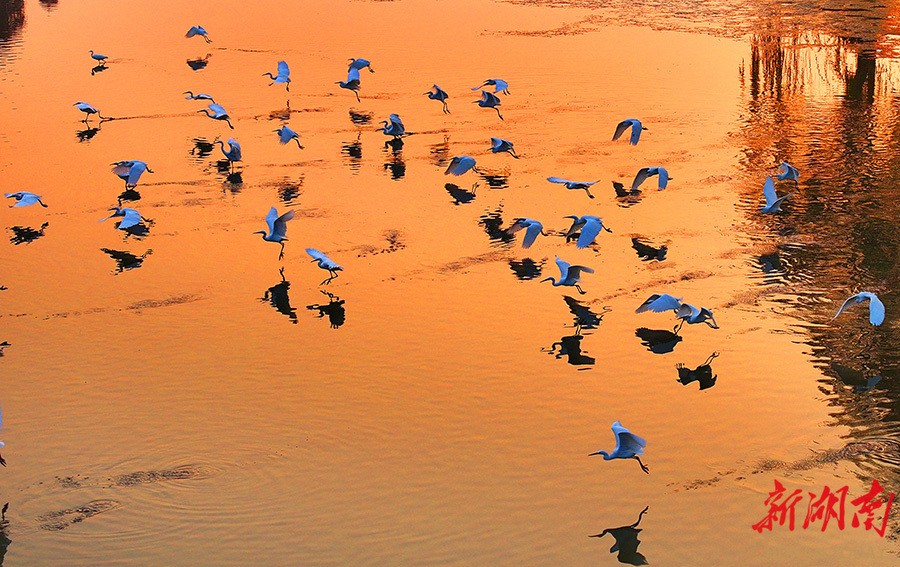
The photos taken on the evening of December 25 show a group of egrets flying over the Nanhu Park in Yanfeng District of Hengyang City. With the continuousgly improved ecology and the people’s increasing awareness of bird protection, flocks of white egrets come to inhabit the local area.
The China Forest Park Landscape Resources Grade Evaluation Committee recently announced Hengnan Qishan Forest Park was rated as one of the national-level forest parks.
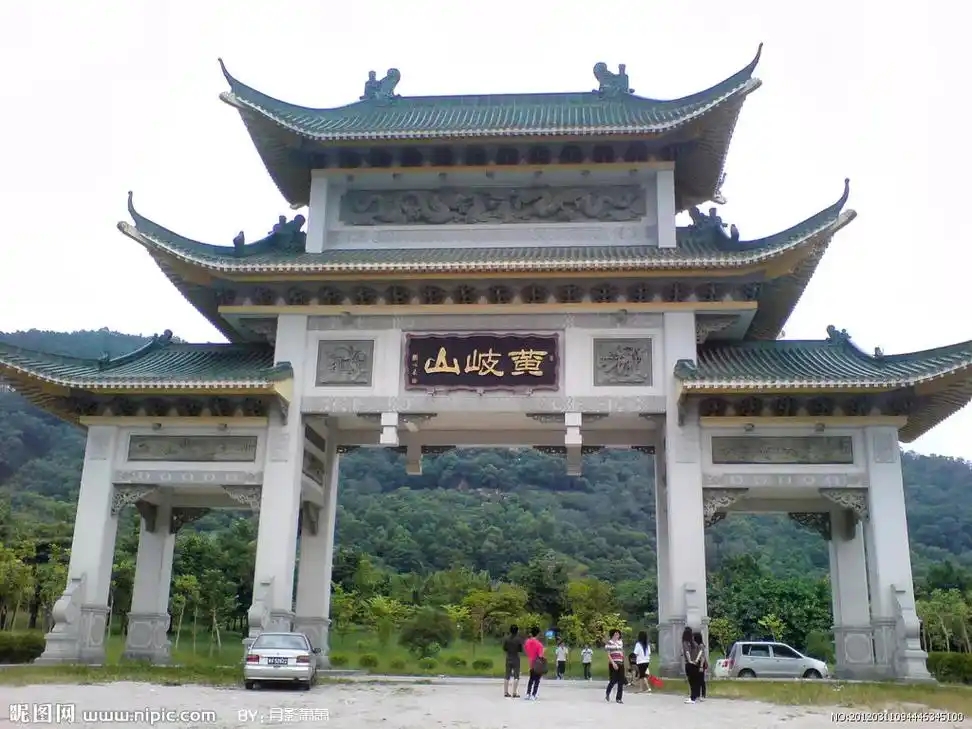
The participating experts said the park has a complete forest ecological system, abundant biodiversity, and good ecological functions. Located in the bordered areas of populous Hengyang, Qidong, and Hengnan counties, the park has a great potential to develop forest eco-tourism.

The park includes two parts of Qishan Mountain and Shiniu Peak. Its application for inclusion into the national forest park list was initiated in May 2017.
The park is endowed with rich plants and natural landscape. It is home to 1,034 vascular plant species and 186 vertebrates.
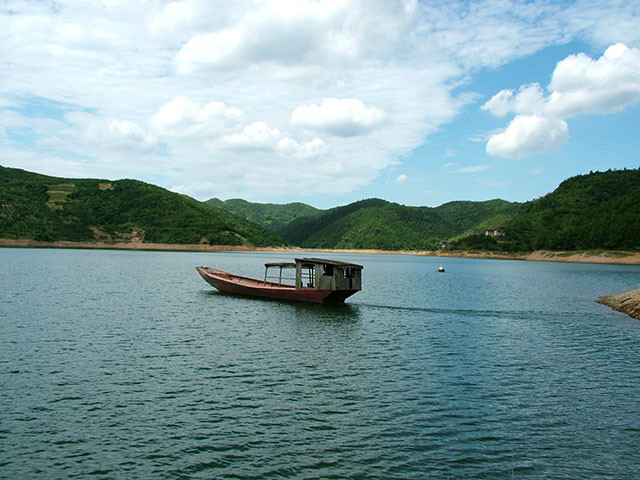
Fenghuang Valley in the park is known as the largest and best-persevered low-altitude pristine broad-leaved forest in south China. It boasts beautiful wetlands, gorgeous gorges, and time-honored Buddhism temples.
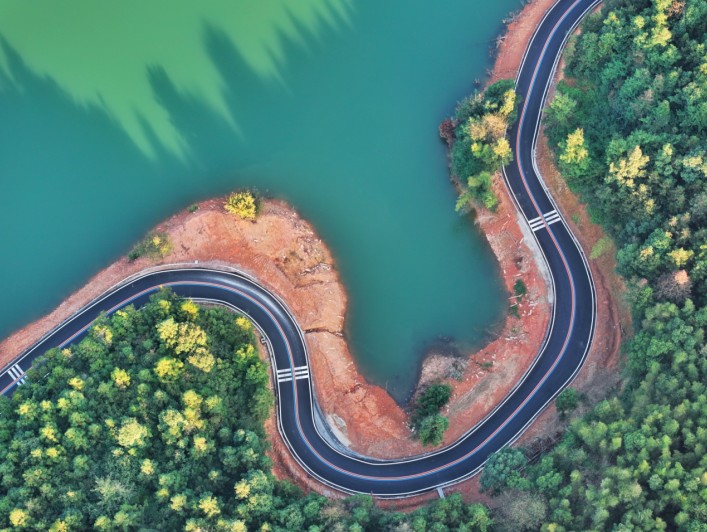
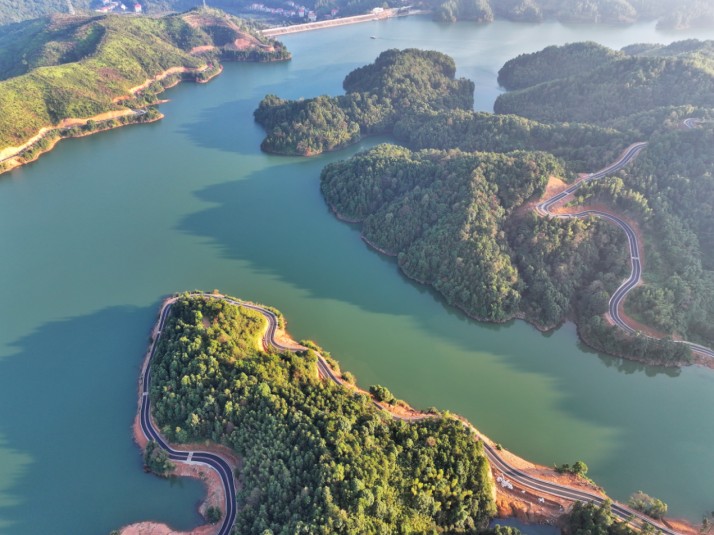


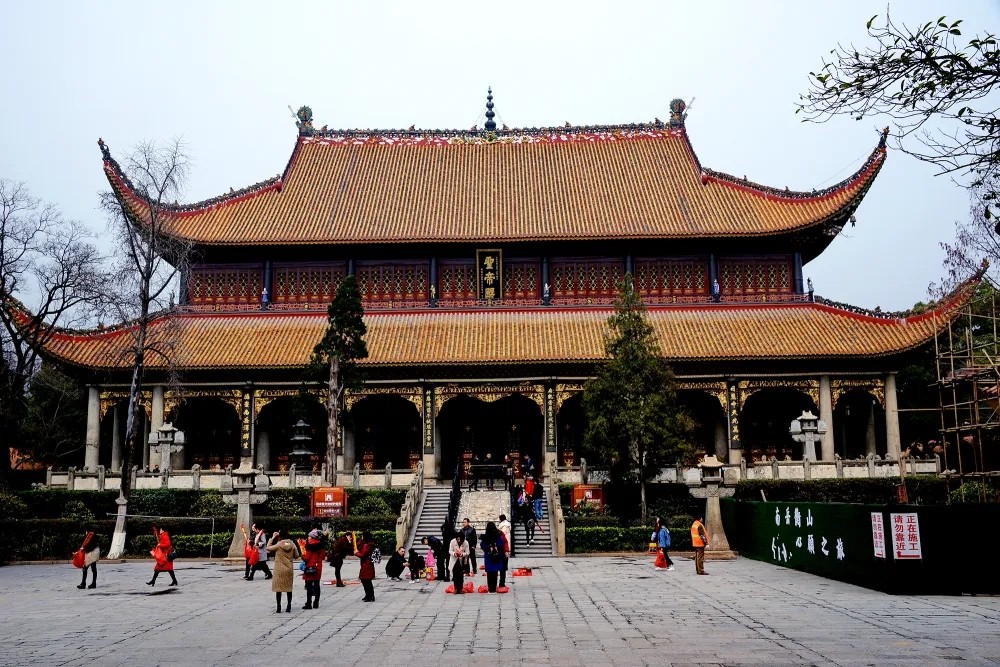
The magnificent and ancient temple of Mount Hengshan is located in Nanyue District, Hengyang City.
The temple is renowned for its ancient building complex consisting of folk ancestral temples, Buddhist temples, Taoist temples and imperial palaces. Covering an area of 120,000 sqm, it is the largest group of ancient buildings in south China and in Five Great Mountains. It is known as “the First Temple in South China” and “the Imperial Palace in South China”.
Originally built in the Sui Dynasty (581-618), the temple has been destroyed by fire for six times, and maintained and rebuilt for 17 times through the Song Dynasty (960-1279), Yuan Dynasty (1271-1368), Ming Dynasty (1368-1644) and Qing Dynasty (1644-1912). The present temple dates from the eighth year of Emperor Guangxu’s reign of the Qing Dynasty (the year of 1882). The temple was put under state protection in 2006.
Admission fee: 58 yuan/person for peak season; 40 yuan/person for off season
Opening hours: 7:30-17:30 (November 1-April 30); 7:00-18:00 (May 1-October 30)
Service hotlines: 0734-5673377/0734-5662416