-- Article list --
1. Introduction
In order to train global governance talents with a broad international perspective, superior comprehensive quality, outstanding leadership and multicultural background. China Scholarship Council implements the Youth of Excellence Scheme of China Program.
2. Contents
1) Number of students to be enrolled: 200
2) Supporting Candidates: Master students
3) Teaching language: English
4) Training approach and duration:
In principle, the curriculum leads to a master's degree and lasts 12 months. Some programs follow the "1+1" paradigm, which requires students to do their full-time basic course work and research in Chinese universities in the first academic year while finishing up their dissertation preparations. Before traveling to China to defend their dissertations as required by the universities, they must work in their home countries during the second academic year and finish their dissertations based on studies and actual work. A degree will be awarded to those who successfully complete the defense.
5) Coverage: Full scholarship
3. Application requirements
1) An applicant must be a citizen of a country other than the People's Republic of China, and be under the age of 45 in good health both mentally and physically.
2) An applicant must have a bachelor's degree or higher degree and at least three years of work experience. Those with professional training or work experience related to the proposed program will be given preference.
3) An applicant must fall into one of the following four categories:
① A government official at the division chief level (or equivalent level) or above;
② A senior manager of an institution or enterprise;
③ An administrator of a university or scientific research institution;
④ Those who have relevant employment or internship experience in international organizations.
4) The pre-admission letter given by the university must contain all of the necessary information of registration, such as personal information, the admission date and major's information. It cannot contain any information about having received or promised to receive Chinese government scholarships.
4. Application approach
1) Online application
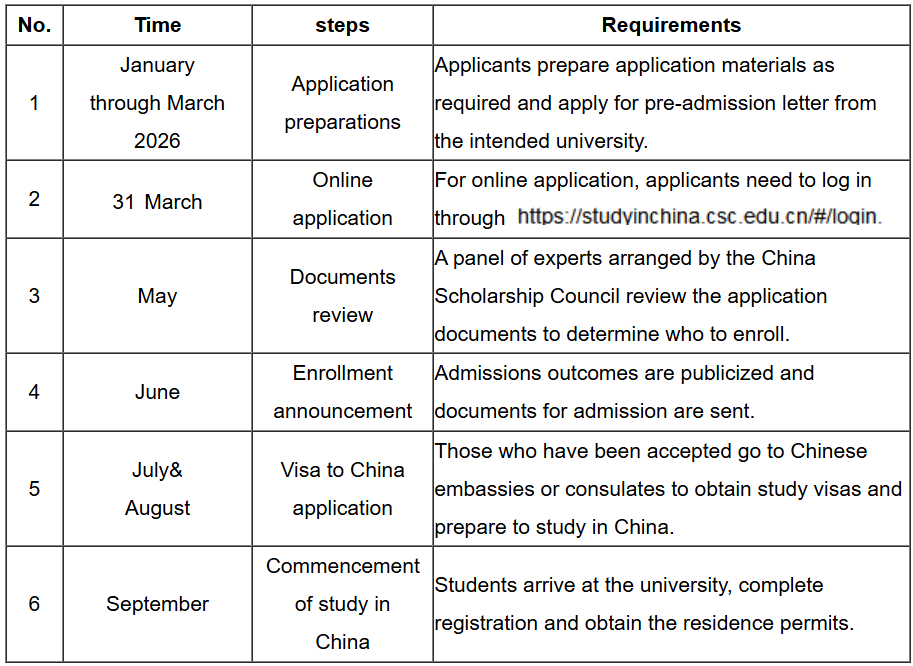
Applicants should log on to the Chinese Government Scholarship System for online application () and submit application materials before 23:59 on March 31, 2026 (GMT+8).
Applicants should have received a pre-admission letter from one of subprograms at least when they apply. When applying online, choose "Type A" for "Scholarship Type". The agency code is 1563, and applicants need to find "Youth of Excellence Scheme of China".
2) Handling of applications
The China Scholarship Council accepts individual applications directly, and reviews the materials submitted by applicants then arranges expert review.
5. Assessment and enrollment
1) The application materials will undergo a preliminary examination by the China Scholarship Council.
2) China Scholarship Council will arrange a second examination by a panel of experts. The final enrollment results will be announced after expert review.
6. Time and steps
1. Program Introduction
In order to deepen the academic friendship and mutual understanding between Chinese and foreign young generation, and to build a platform for the exchange of scientific research young talents in the world, China Scholarship Council (CSC) continues to carry out China Link Short-term Scientific Exchange Scholarship Program (referred to as China Link Scholarship) in 2026.
2. Program Scheme
① Funding Categories
General scholar: applicable to current undergraduates or graduates.
Senior scholar: applicable to current Ph. D candidates or faculties
② Duration
1-12 months
Start study in China no later than August 31, 2027.
③ Working Language
English or Chinese, depending on the program provided by the Chinese host universities.
④ Study/Research Fields:
All disciplines other than Chinese language study.
3. Funding
Successful applicants will receive a full scholarship from CSC during their stay in China, including tuition waiver, free on-campus accommodation, comprehensive medical insurance and monthly stipend (CNY 3,000 for general scholars; CNY 3,500 for senior scholars).
4. Eligibility
① Be a citizen of a country other than the People's Republic of China and be in good health both mentally and physically.
② Be under 45 applying for general scholars; Be under 50 applying for senior scholars.
③ Register as full-time student or employed as full-time academic staff at CSC's foreign partner university by the time of application and throughout the proposed stay in China.
Foreign university list please refer to Appendix 1.
④ Have obtained admission qualification from the Chinese host university for the next intake. Chinese host university list please refer to Appendix 2.
5.Application Process
① Applicants shall contact the host Chinese university in advance to obtain admission qualification.
It is recommended that applicants consult the host university’s international student admission department as early as possible to confirm the specific deadline for university-level review (requirements may vary by institution).
② Applicants log in to the Chinese Government Scholarship Information System to complete CSC online scholarship application. After submission, contact the host university’s international student admission department via email or the institution’s designated channel, and clearly inform them of the following information:「Full Name + CSC Serial Number + Application for China Link Scholarship」.
For the Online Application Guide, please refer to Appendix 3.
The CSC application portal is open to applicants all year round.
③ Host Chinese universities will process China Link Scholarship applications and must submit the scholarship nomination list to CSC at least 2 months before the students’ arrival in China.
④ CSC notifies Chinese host universities of scholarship award results on a monthly basis.
⑤ Host Chinese universities notify scholarship award results to applicants.
Appendix:
The following excerpt is based on the Chinese source released on the official website of the Department of Education of Hunan Province.
Chapter V Scholarships
Article 34 The institutions of higher education that undertake the task of cultivating the students awarded the Chinese government scholarship and Hunan provincial scholarship shall give priority to the enrollment of students under Chinese Government Scholarship Programs and Hunan Provincial Scholarship Programs.
Article 35 The institutions of higher education may set up scholarships for international students. They shall, in accordance with the relevant provisions of the state, formulate a scholarship management system for international students and strictly assess the academic performance and moral character of the scholarship recipients.
Chapter VI Social Administration
Article 36 Where a foreigner applies for studying at a school as mentioned in Article 2 of these Measures, he or she shall, before entry, apply for an X1 or X2 visa to the Chinese embassy or consulate in his or her country of nationality or the country of residence or other China's institution stationed abroad authorized by the Ministry of Foreign Affairs according to his or her duration of study, and submit relevant documents as required.
Article 37 Where an international student needs to apply for a residence certificate after the study visa he or she holds is indicated with “entry,” he or she shall, within 30 days from the date of entry, apply for a foreigner residence certificate for study to the entry and exit administrative department of the public security organ at the place where he or she is to reside.
Article 38 If the Ministry of Foreign Affairs has otherwise provided for an application for study in a school filed by any person of a foreign diplomatic mission or consulate in China or the representative office of an international organization stationed in China or any of his or her accompanying family members, such provision of the Ministry of Foreign Affairs shall prevail. Whoever fails to undergo the relevant formalities as required may not be enrolled by a school.
Article 39 To enroll an international student who is under the age of eighteen and whose parents do not permanently reside within the territory of China, a school shall require his or her parents to formally authorize a foreigner who permanently resides within the territory of China or a Chinese to act as the international student's guardian, and provide the relevant certification materials.
Article 40 A higher education institution (HEIS) may accept the international students who come to China in a group for short-term study, provided that such HEIS has concluded an agreement in advance with the foreign entity that dispatches these international students, or has cooperative programs with the foreign entity.
Article 41 International students shall, when entering schools, undergo the confirmation formalities for a Foreigner's Physical Examination Record with the health and quarantine departments in China or take physical examinations in accordance with the provisions of the health administrative departments in China. Where it is confirmed in a physical examination that an international student suffers from serious mental disorder, infectious pulmonary tuberculosis or any other infectious disease that may cause serious damage to the public health as prescribed in the Exit-Entry Administration Law of the People's Republic of China, the public security organ shall handle the issue in accordance with the law.
Article 42 A HEIS shall implement the system under which all international students shall be covered by insurance. International students must be insured in accordance with the relevant provisions of the state and the requirements of the HEIS. An international student who fails to purchase insurance in accordance with the relevant provisions shall be insured within a prescribed time limit; otherwise, he or she shall not be enrolled by the HEIS. If the student has already studied at the HEIS, he or she shall be dropped out of the HEIS or shall not be registered.
Article 43 HEIS should establish emergency response plans for international students and deal with the emergencies. In case of any of the following circumstances, it shall report to the competent departments of education, foreign affairs and public security in a timely manner:
(1) International students violating Chinese laws or regulations;
(2) Death, injury, missing of enrolled international students;
(3) The international students enrolled are engaged in illegal religious activities in violation of the Provisions on the Administration of Religious Activities of Aliens within the Territory of the People's Republic of China and its implementation rules; and,
(4) Other major emergencies.
Legal Basis: Administrative Measures for the Enrollment and Cultivation of International Students by Schools (Decree No. 42 of the Ministry of Education of P.R.C, Ministry of Foreign Affairs of P.R.C, and Ministry of Public Security of P.R.C)
Chinese source: hunan.gov.cn; Official Website of the International Exchange Division of Hunan Provincial Department of Education
The Hunan Departments of Human Resources and Social Security, Finance, and Education announced recently that, a one-off employment and entrepreneurship subsidy will be provided for the fresh college graduates in Hunan who come from Hubei Province. Every one of those will be granted a subsidy of 1,500 yuan before the end of this July.
The qualified graduates will be listed by the Hunan Department of Education. Those who have got such subsidies before will not be included.
This is an important measure to stabilize employment and overcome the impacts of COVID-19 epidemic. All related authorities are required to thoroughly implement the measure, and ensure the subsidies will be paid on time and in full by the end of this July.
This article is from Hunan Provincial Government www.enghunan.gov.cn.
President Xi Jinping on Monday stressed that the country's youth should be mobilized to make new and greater contributions to undertakings of the Party and the country.
Xi, also general secretary of the Communist Party of China (CPC) Central Committee and chairman of the Central Military Commission, made the remarks in a congratulatory letter to a session of the All-China Youth Federation and a congress of the All-China Students' Federation, which opened in Beijing on Monday morning.
On behalf of the CPC Central Committee, Xi extended congratulations on the opening of the meetings, and sincere greetings to young students and young people of all ethnic groups and all walks of life in China, as well as overseas Chinese youth.
Over the past five years, under the leadership of the Party and with the help and guidance of Chinese Communist Youth League organizations, youth federations and students' federations at all levels have played an important role in the Party's work related to youth.
Noting that the country is about to secure a victory in completing building a moderately prosperous society in all respects, and embark on a new journey toward the second centenary goal of fully building a modern socialist country, Xi called on Chinese youth to have firm ideals and convictions, and work tirelessly with the people in the new era.
Xi urged Party committees and governments at all levels to improve leadership in youth work and continue their support to youth federations and students' federations.
Youth federations and students' federations were asked to deepen reform and innovation, and organize and motivate the youth and students to follow the Party and make new and greater contributions to undertakings of the Party and the country.
Wang Huning, a member of the Standing Committee of the Political Bureau of the CPC Central Committee and a member of the Secretariat of the CPC Central Committee, attended the opening meeting, together with the other about 3,000 representatives and officials.
Chen Xi, a member of the Political Bureau of the CPC Central Committee and head of the CPC Central Committee's Organization Department, read Xi's letter at the meeting.
Vice Premier Sun Chunlan, also a member of the Political Bureau of the CPC Central Committee, addressed the meeting on behalf of the CPC Central Committee.
Sun called on the young Chinese to rally more closely around the CPC Central Committee with Comrade Xi Jinping at its core, and strive to realize the Chinese Dream of national rejuvenation.
The gatherings will summarize the work of the All-China Youth Federation and All-China Students' Federation in the past five years, and analyze and decide on the work plans for the next five years.
Recently the Hunan Charity Federation (HNCF) announced that the 2019 Student Aid Charity Activity officially launched on July 20. If you are a candidate for China's national college entrance examination this year, have been admitted to a higher education institution, and are concerned about tuition, you may apply for financial aid from HNCF.
The event was jointly hosted by HNCF, Zoomlion, Hunan Xiangjiao Alcohol Industry Co. Ltd., the Hunan Economic TV Station, and the Xiaoxiang Morning Herald.
This year the funding is available to new admittees to higher education including those granted early admission and those on the admission lists of the first and second batch of universities. They are from urban or rural identified poor families, households receiving subsistence allowances, or households having major-illness patients. They will receive a one-time financial aid of 3,000 -5,000 CNY. Tuition-free college students do not qualify for assistance.
Begun in 2003, this charity activity has been held 16 times. HNCF alone has raised more than 91 million CNY for 23,000 lower-income students. The Hunan charity system has raised nearly 240 million CNY to help more than 48,000 lower-income students pay for college education expenses.
In the morning of July 13 th, 2018, the city educational informatization work and the first basic education network master studio licensing conference was held in the Municipal Education Bureau. In the meeting, Hengjiaofa [2018] the 13rd document was read out that "Decisions on granting Wang Quji and other 10 comrades as the basic education network teachers in Hengyang and on permitting their studio for the first time " and their studio was licensed. The meeting conveyed the spirit of the 2018 Provincial Education Informatization Conference, and scheduled the 2018 Education Informatization work in our city. Luo Shengli, deputy secretary of the Party Committee and deputy director of the Municipal Bureau of Education, attended the meeting and made a speech. The meeting was presided over by Luo Jianzhi, deputy department cadre of the Municipal Bureau of Education. Many cadres attended the meeting, such as the deputy director in charge of the informatization work in the education bureau of the county (city) district, the head of the informationization function unit, the equipment station director, the vice principal of the informatization work in the bureau's public school, The city's first basic education network master studio chief teacher, information center, equipment station responsible comrades.
In his speech, Luo Shengli affirmed the achievements made in our city's education informatization work last year, analyzed the new situation and new tasks faced by educational informatization 2.0 in the new era, and put forward clear requirements for the next stage of work: first, to recognize the situation and to seek for Self-pressure. We should learn to think and make good judgments, accurately grasp Hengyang education information work situation, and enhance the sense of urgency. Second, to clarify the train of thought and seek development. The basic idea of Hengyang's education informatization work is to pay off the historical debt of the construction of "three links and two platforms" in the 12th Five-Year Plan of Education Informatization, to solve the urgent need of the current reform of the new college entrance examination, and to keep up with the new trend of the development of educational informatization 2.0 "three all, two high and one large".Third, to take the initiative and act daring. Funds should be used to promote the balanced development of education in the process of promoting educational informatization. Today's ten licensed elementary education network teachers and their studios should play a full role in this process, and relevant departments should provide funding, venues, learning, exchange and other aspects of support to help them carry out their work.
On June 29 , Wang Junliang, deputy director of the Department of Teacher Work and Normal Education of the Provincial Education Department, and his entourage came to Hengyang to organize a special seminar on the conditions for evaluating the professional titles of secondary-school teachers. The seminar was chaired by Wang Junliang and Tan Xiaohua, Deputy Director and a member of the party committee of the Municipal Bureau of Education, made a speech. The principals of secondary vocational schools from urban areas and seven counties and cities, the vice-principals in charge of vocational reform, the representatives of first-tier teachers, and the heads of relevant departments of the municipal education bureau attended the discussion.
At the meeting, experts from the Provincial Education Department introduced and explained the drafting and main contents. The comrades attending the meeting expressed their own views enthusiastically, and they fully affirmed the structure and content of the document and put forward their own opinions and suggestions on the revision and improvement of the document from various angles in the light of the actuality.
After listening carefully to the speeches of comrades present at the meeting, Wang Junliang pointed out with pleasure, “today, we have put forward quite a number of suggestions of horizon, thought, and insight, and we will collect and classify them and concentrate our study on them. It is an important basis for revising and perfecting The Evaluation conditions on Deputy High and Intermediate Professional Technical titles in Hunan Provincial Secondary Professional School Teachers Series and Experimental Technical Series (trial).”Wang Junliang required that all schools at all levels should give full play to their supervision power of grass-roots organizations and educational administrative departments should make good use of the policy-making power. The school must strictly check and verify, avoid common-sense mistakes in the assessment materials of teachers, and make false materials, false data, false grades, false papers, false achievements, false certificates of awards or forged academic qualifications. Years of service and other circumstances to be screened clearance one by one. In order to ensure the standardization, fairness and justice of the evaluation work of the secondary vocational titles, the educational administrative departments of the cities and states must grasp the guidance and be clear in the policy documents when carrying out the evaluation work of the professional titles of the secondary vocational schools.
In recent years, under the correct leadership of the provincial education department, the municipal party committee and the municipal government, the evaluation of the professional titles of the teachers series in Hengyang has made certain achievements and won the unanimous affirmation of the people from all walks of life. First, disclosing quantitative evaluation standard and reducing the randomness in the review process; second, strictly supervising grass-root recommendation procedures and the school to give the right to speak; third, standardizing the evaluation procedure of the evaluation committee. (human society, the discipline inspection participating in the whole course of supervision); fourth, adhering to the correct policy orientation to insist on the morality first, to highlight the achievements of education and teaching and inclined to the rural and arduous remote areas. Diversifying the evaluation methods of professional titles, carrying out the work of evaluating and recruiting teachers in primary and secondary schools with different professional titles in an all-round way, and further strengthening supervision and management, establishing disciplinary mechanism of professional title review and discredit, and further improving the expert selection mechanism of evaluation committee.
On the morning of May 27th, the tax administration moot court, co-hosted by Publicity Ministry of Hengyang Municipal committee, Hengyang Local Taxation Bureau and University of South China, was demonstrated successfully in the Law School of University of South China. Lv Zhengping, who is the Deputy Secretary-General of the Municipal Committee and Vice Minister of the Publicity Ministry of Hengyang Municipal Committee, gave some instructions and comments on the spot. Besides, Chen Yunli, who is the Secretary of Party Leadership Group and Director in Hengyang Local Taxation Bureau, attended the activity and made a speech.
The moot court is an important part of the tax publicity this year with the theme of "Honesty to the Tax Revenue, Civilization to the Wild Goose City". During the simulate trial, a real case about paying an overdue income tax for individuals was selected among the numerous cases that investigated by the Tax Inspection Office of Zhengxiang District Local Taxation Bureau. The chief judge, judge, people's assessor, engrossment clerk, plaintiff, defendant, entrusted agent and bailiffs were served by the students from the Law School of University of South China.
On the court, both prosecution and defense were strictly in accordance with the trial procedure for the statement and defense, the proof and the evidence. A heated free debate was launched around issues of whether the procedure of tax administrative punishment is legal, whether the fact evidence is conclusive and qualitative and whether the amount of penalty is appropriate. And then the collegiate bench closed the court to discuss them. The whole process of trial was carried out in strict accordance with the legal procedure, in which the case was stated and the law was given to allow the audiences to feel the dignity of the court at a zero distance.
Chen Yunli pointed out in her speech that the activity would be a grand meeting of ideological confrontation, which could build a bridge for the communication between the campus and tax authorities so that everyone might collide with the spark of thought. Besides, it could be a good opportunity for the understanding and application of tax law, which would further enhance the working concept of tax officers -- "advocating the rule of law", and set up a new brand of tax law. It also could be a platform for mutual promotion of integrity. Through the mutual participation of universities and tax authorities, we should initiate a prevailing custom of advocating tax law, complying with tax law, staying integrity and winning together.
Lv Zhengping instructed and commented about the moot court. He pointed out that it was a vivid and effective publicity class of tax law, in which students were trained and tax workers were educated. He stressed that it was the duty of every citizen to pay taxes honestly in accordance with law, and it was the best choice to deal with the tax disputes according to law. When tax workers perform their duties, they should strictly enforce the tax laws and regulations, standardize the law enforcement procedures, avoid defects in law enforcement and create a fair and just environment for the rule of tax law.
On the spot, Hengyang Local Taxation Bureau awarded the appointment letters of compulsory tax revenue publicity counselors and the appointment letters of compulsory tax revenue publicity agents to 2 teachers and 11 students respectively.
1. What’s the purpose of recruiting and training international students to study for a graduate degree in China? Which kinds of units have the right to recruit international students to study for a graduate degree in China?
Recruiting and training international graduates in China is one of the vital avenues of operating external educational communication and cooperation to cultivate high level talents for friendly nations.
Colleges and universities approved by the State Education Commission to accept international graduate students, which contain disciplines or subjects with the right to grant master degree or doctor degree, can recruit and train foreign graduates in China.
2. What are the Principles of recruiting and training foreign graduate student in China? What is the regulations of applying, examination and recruiting?
To recruit international graduates in China need to stick to the standards, assure the quality and consider the actual situation of the sending country and international students to loosen the requirements at the same time.
For fresh graduates to apply for a master's degree in their own undergraduate school, they need to take a national examination forgraduate students in China or examinations organized by the university itself. For those students who excel in study and behavior, school authorities can recruit by recommendation without testing.
Foreign university graduates in China who apply for master's degrees in their original school need to submit their undergraduate diploma, learning courses and transcripts in university, two recommendations written by professional teachers above associate professors. School authorities will recruit by examinations in Chinese or foreign language after examining applicants’ qualification. But major of Chinese language and literature and history should be tested in Chinese.
Applicants for PhD Degree Programs should obtain Master’s degree or the degree qualify to the master degree in China and submit the diploma, research project plan, two professors’ recommendations. School authorities will recruit by examinations in Chinese or foreign language after examining applicants’ qualification. But major of Chinese language and literature and history should be tested in Chinese.
International graduates are excused from an examination of Marx's Theory Course and foreign language. There will be two to three subject tests in entrance examinations. At present, the topics and instructions are only provided in English .
3.Regulations of Study and Conferring of Degrees for international graduate students in China during their study
International graduates who graduate in China or foreign applicants majoring in Chinese language, literature and history, will be taught or instructed in Chinese after enrollment and write or defend their thesis in Chinese.
Master's degree students required to complete the curriculum between 2-3 years. The length of schooling of doctor’s degree students is 3 years. Courses will be justified according to the actual situation and the school is responsible for the formulation of the specific teaching plan.
International graduates who pass the master degree examinations and thesis defense will be granted with master degree once they are qualified for the requirement of the 5th Article of the “Regulations of the People's Republic of China on Academic Degrees”.
International graduates studying for PhD who pass PhD course examinations and thesis defense will be granted with PhDs once they have reachedthe requirements of the 6th Article of the “Regulations of the People's Republic of China on Academic Degrees”. If they are not qualified ,a master degree will be granted based on their grades and thesis.
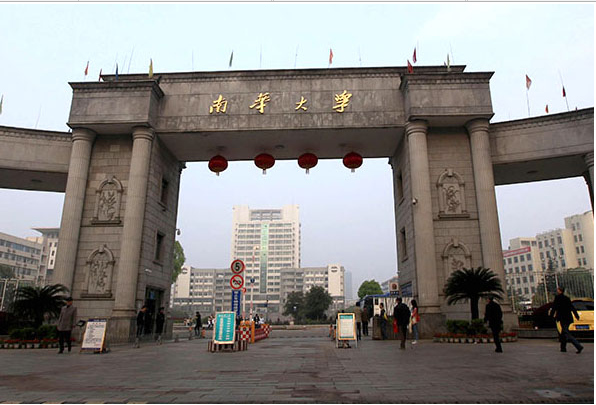
University of South China (hereafter USC or the University), is a comprehensive public university with a history of about 60 years, co-funded by Ministry of Industry and Information Technology, State Administration of Science, Technology and Industry for National Defense, China National Nuclear Corporation, China Nuclear Engineering Group Corporation, and the People’s Government of Hunan Province.

The University was merged in 2000 by Hengyang Medical College, founded in 1958 and administrated by Hunan Province, Central South Institute of Technology, in 1959, and the 6th Nuclear Institute, in 1962, both administrated by the former Ministry of Nuclear Industry.
One of the yiben, or first tier universities on the Mainland, China, USC enrolls students from the Mainland, Hongkong, Macao, Taiwan and other parts of the world.
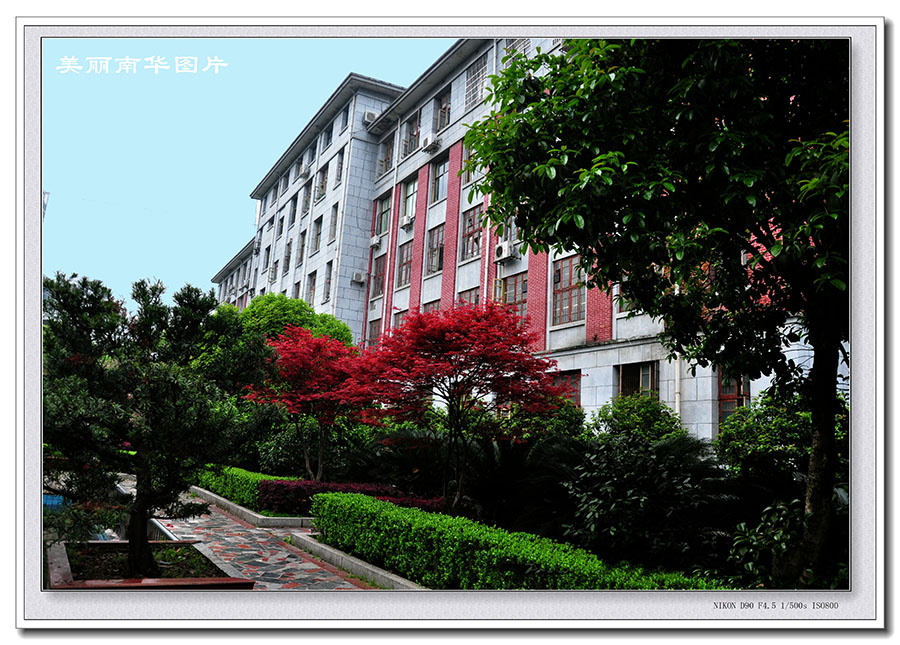
The University is home to over 2,500 faculty members, and over 37,000 full-time students, of whom 33,000 are undergraduates and 4000, master or doctor degree candidates.
Situated in Hengyang, a historical and cultural city in central Hunan, China, with a total area of 200 hectares, USC comprises 26 colleges and schools, 4 affiliated hospitals and 21 teaching hospitals.
USC is a chartered training base for Reserve Naval Officers of the People’s Liberation Army.
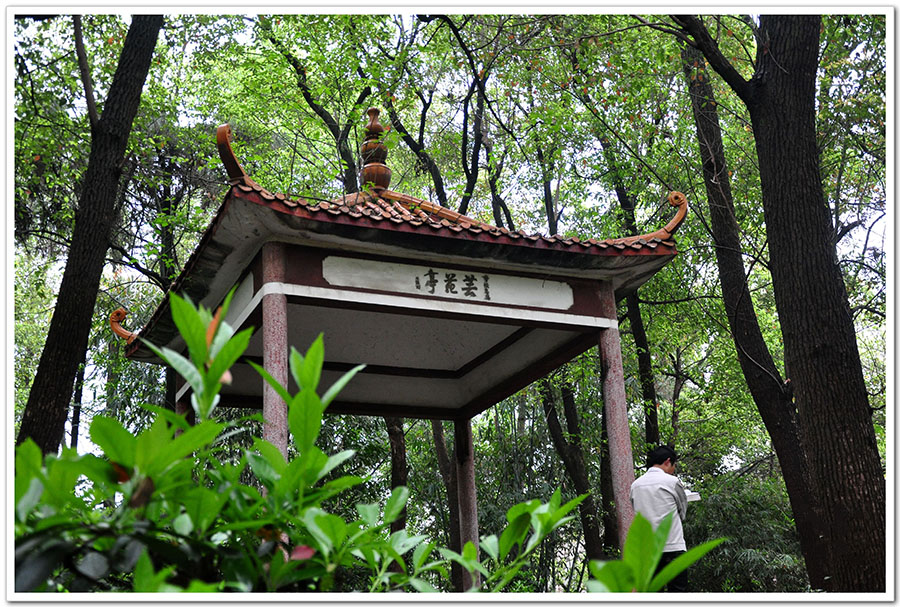
Motto: morals, knowledge, truth, and ambition
Vision: To become an education and research oriented institution with distinctive features--top-notch in the province, high-ranked in the country and well-known in the world.
Hengyang Normal University is a public university under the administration of People’s Government of Hunan Province, which is approved by Chinese Ministry of Education. It is located in Hengyang, the second biggest university of Hunan Province, which is also the hometown of the great thinker, Wang Chuanshan and the inventor of paper, Cailun. The location of the university is superior, to the north of which is the majestic Hengshan Mountain, and to the south of which is the torrential Xiangjiang River. The university is surrounded by Beijing-Guangzhou Railway, Beijing-Guangzhou Highspeed Railway, Beijing-Zhuhai Expresswasy, Hengyang-Xizao Mupu Expressway, and Hengyang-Shaoyang Expressway. In the urban district, the east and west campuses are just next to Hengzhou Highroad and Riverside Highroad.
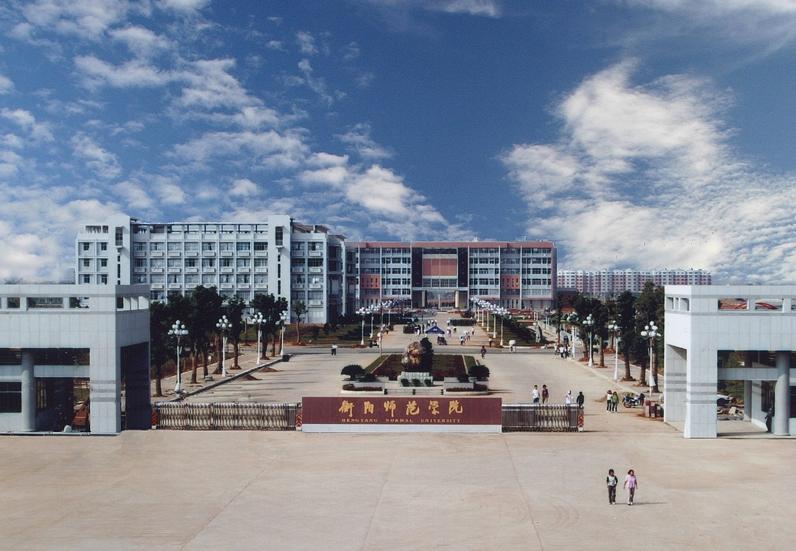
Hengyang Normal University has a long history and a solid cultural accumulation. The predecessor of the university is the Hunan Public South Normal School founded in 1904, which has cultivated more than 300 thousand excellent graduates, including Yun Daiying, Zhang Qiuren, Jiang Xianyun, Huang Jingyuan, Huang Kecheng, Jiang Hua, Tao Zhu, Zhang Jingwu, Zhang Pinghua, Zhang Jichun, Zeng Xisheng, Tang Tianji, Zhou Li, Qin Guangrong, Fan Fenfang and so on.
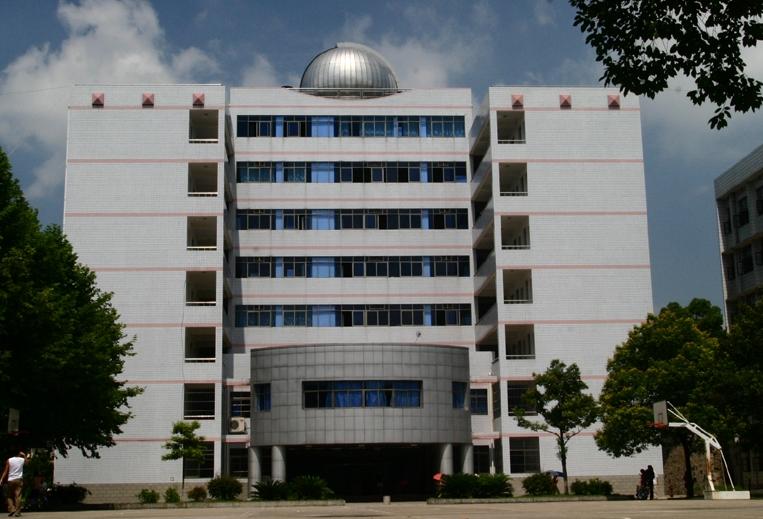
During the new time, HNU has caught the important strategic opportunity of the Big Reformation, Big Development and Big Growth and has entered the fast lane of development. In 1999, HNU has successfully transformed from an vocational institute to a public university. In 2006, HNU has successfully passed the teaching evaluation of the Chinese Ministry of Education. The coverage of the university has expanded from 491 mou to 2166 mou, where a new and modern parklike campus has been building which is really majestic. HNU is the unit which carry out the State-level Key Teachers Training Programme, is the State-level Advanced Unit of College Students’ Practice and State-level Modeling Worker`s Activity Base.
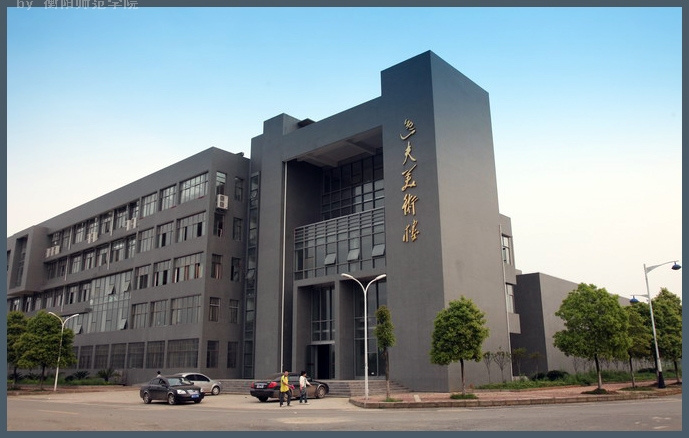
HNU has 16 teaching departments, 1 independent college, 29 province-level and city-level scientific research bases, 47 full-time undergraduate majors including normal and non-normal majors (among which 1 is the top specialized major approved by Chinese Ministry of Education, 9 province-level key majors and province-level specialized major of public university, 2 majors has been approved by Hunan Province as the pilot program of the 12th Five-year Plan), 6 province-level key majors, and 12 province-level quality courses. HNU has province-level key laboratories, province-level basic course demonstration laboratories, and province-level Practice Demonstration Centers. HNU has multiple subject structure which has great subject specialty, featuring the harmonious development of literary, science and engineering.
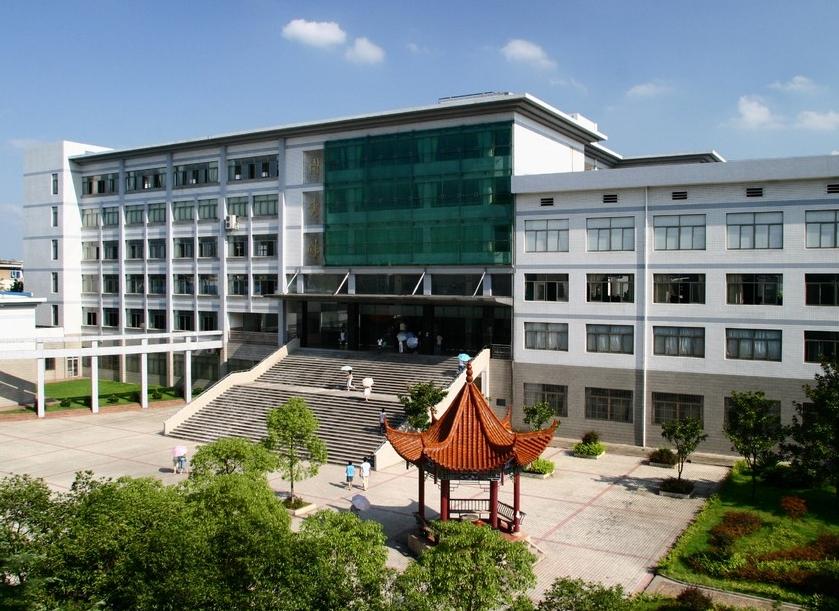
By far HNU has full-time teachers, among which more than 100 are senior specialized technical officers and doctors. And HNU has 5 province-level scientific innovative teams, 110 staff members who enjoys special allowance offered by the State Department, who are the state-level excellent teaching workers, who are the excellent talents in the new century approved by Chinese Ministry of Education, who are 121 talents in the new century, who are province-level social and scientific professors, who are province-level teaching master hands, who are province-level academic leaders, and who are young core teachers. In addition, HNU has also haired over 50 adjunct professors at home and abroad.
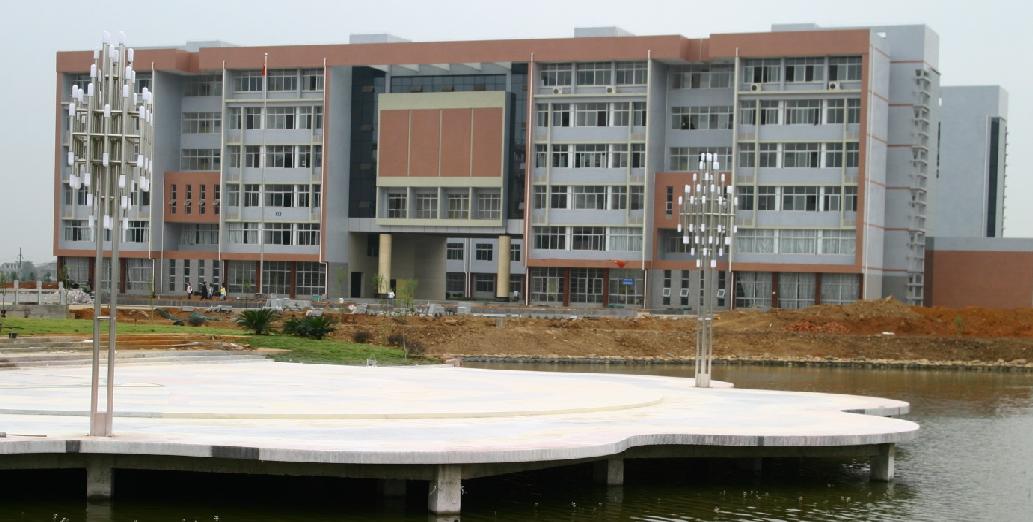
HNU is realizing its prosperity through encouraging academic research and the scientific research ability has been improving. Living Environment Research Base, Chushan Ideology Research Base, “Lead and Zinc Smelter and New Material” Producing, Teaching and Researching Cooperation Modeling Base, and Optoeleetronic Information Technology Application Foundation Research Base and other province-level research bases and constructive platforms, which are quite influential at home and abroad. In the past three years, HNU has hosted 600 scientific research program among which 32 are sponsored by state-level natural science fund and social science fund, 28 are sponsored by department-level and bureau-level funds. More than 100 state-level and province-level teaching reformation programs have been approved. 3462 academic papers have been published, and 133 monographs, translations and textbooks have been put out. 15 rewards for academic excellence have been got from the nation and province and 9 successes have been achieved in teaching. Hengyang Normal University Journal has been praised as the one of the Top 100 Social Scientific Journals, one of the Top Ten Local College Journal, and RCCSE Chinese Core Academic Journal. The journal also has been praised as the Excellent Specialized Scientific Journal by Chinese Ministry of Education twice and the Excellent Journal by Hunan Province. The journal has also been elected the Director Unit of the literary journals hosted by universities all over China. The scientific research in HNU has been playing an increasingly important role in leading the development of the university, serving the local economy, and cultivating excellent graduates.
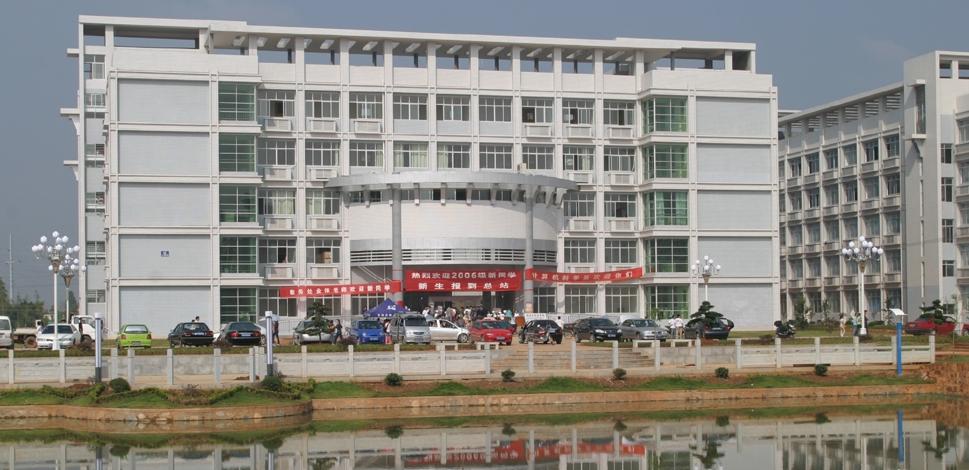
HNU has been positively developing the international communication and cooperation in academic development. HNU has be qualified to recruit international students. During the past 10 years, HNU has developed friendly cooperation relationship with over 10 universities in countries and districts including America, British, Korea and Hongkong. Teachers have the opportunities to get further training in foreign universities, and students in HNU also have the opportunities to have social practice in America in summer vocation and to study in Korea in the 2+2 program. The excellent graduates can get the opportunity to participate in the postgraduate program. A series of international students exchange programs have been developing through which school-running space has been expanded, school-running perspective has been growing and the school-running level has been improved.
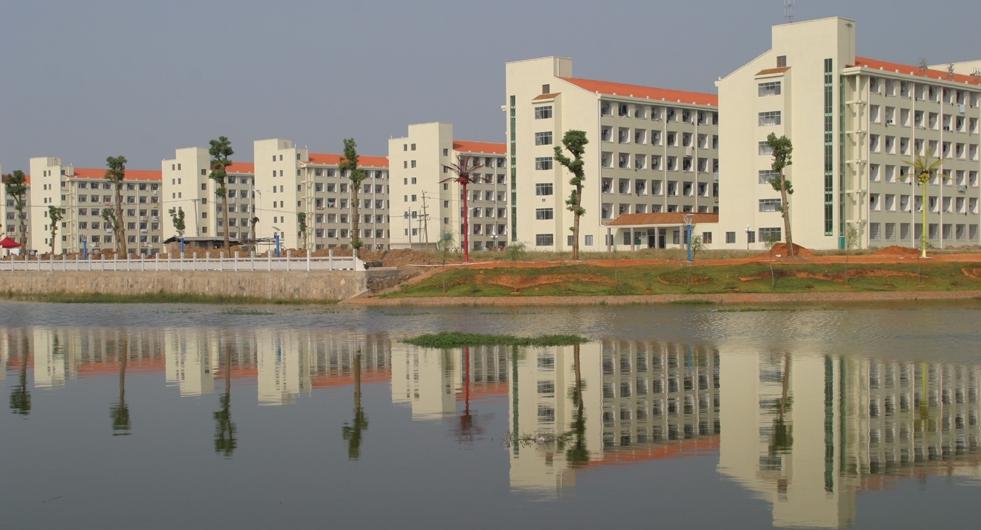
HNU sticks to developing the university through developing its teaching quality and cultivating excellent teachers to serve the basic education. The university insist on cultivating the excellent quality graduates to serve the local economy and social development. Therefore, HNU has contributed a lot to the economic development and social growth. During the past three years, in all the contests and computations hosted by universities, HNU has got more than 300 state-level awards, over 60 province-level awards. And the athletes from HNU have got five golden medals and two silver medals in the 16th Asian Sports Meeting and 11th National Sports Meeting. The one-time employment rate of the graduate from HNU has been keeping at 90%. In the past two years, HNU has been praised as the Top Units of Employment Work in Hunan Province, Advanced Unit of Employment Work among the universities in Hunan Province.
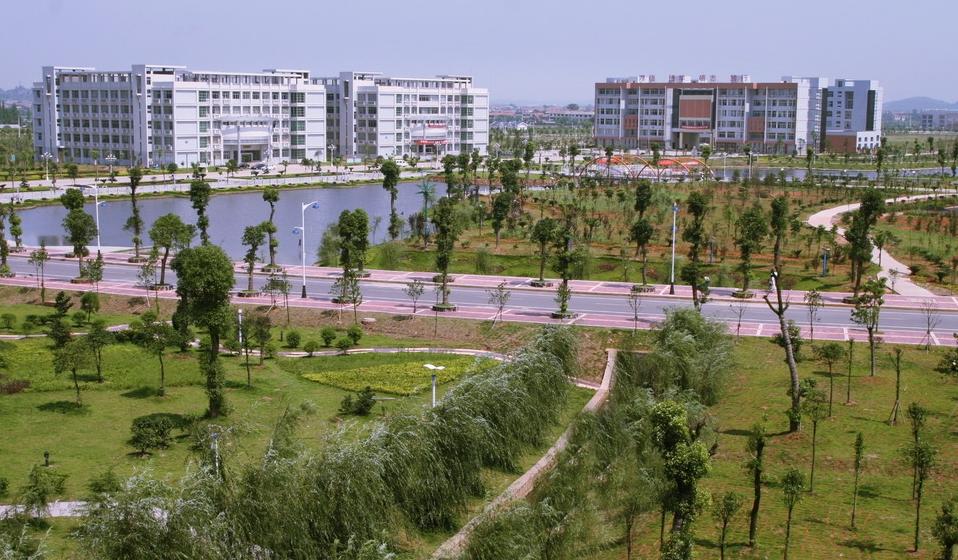
The sunrise of Hengyang is redder than the fire. The torrential Xiangjiang River is flowing without stop as ever. The vital university, HNU, is working hard to realize objects on higher level with all its powers.
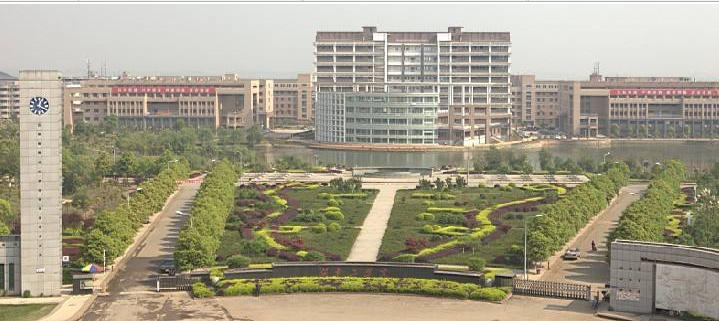
Hunan Institute of Technology
Add: No.18 Heng Hua Road Zhuhui District
Tel: 0734-3452062
Email: webmaster@hunp.edu.cn
Brief Introduction to Hunan Institute of Technology
Approved by Ministry of Education, Hunan Building Materials Higher College (founded in 1978) and Hengyang Branch of Hunan University (founded in 1975) amalgamated for establishing a new comprehensive undergraduate university � Hunan Institute of Technology, which is under Hunan Provincial Educational Department. It places emphasis of development direction “base on Hunan Province, open to the whole country, lay the stress on promoting engineering subject, meanwhile develop other academic subjects such as economics, management and arts, to set up an institute which provides the society a great deal of technology service, and which turns out high-quality undergraduates with practical skills”.
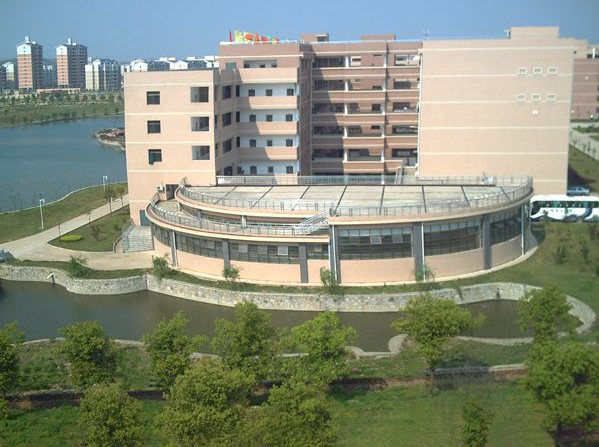
Hunan Institute of Technology, which consists of three campuses, covers an area of 1528 mu, of which 400,000 square meters are construction area. At present, the number of undergraduates and junior college students has amounted to about 15,000. The institute has over 1100 faculties, among whom are more than 700 full-time teachers, 50 professors and 220 associate-professors, and 210 teachers with Master Degree and above. Meanwhile, there are 155 teachers studying for Master Degree or Doctor Degree. There assembles many excellent teachers such as: National Excellent Teacher, Famous Teacher in Regular Institutions of Higher Learning of Hunan Province, Experts Enjoying Special Government Allowance, Excellent Middle-aged and Young Experts of Hunan Province, Experts of Hunan Province New Century “121 Talents Project”, and Committeeman of the Academicians and Experts Consultative Committee of Hunan Province, etc.
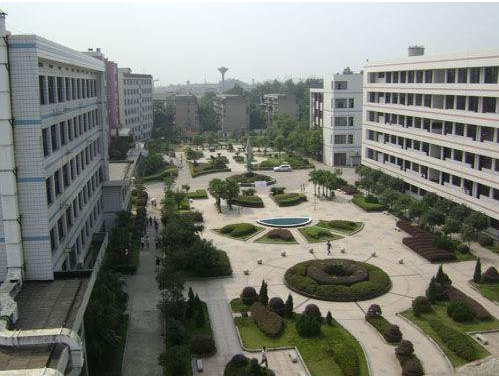
The institute consists of these sections: Mechanical Engineering Department, Electric and Information Engineering Department, Computer Science and Technology Department, Architecture and Engineering Department, Safety and Chemical Engineering Department, Economy and Management Department, Humanities and Social Sciences Department and Fundamental Courses Teaching Department. And the Network Centre is established with the advanced and superior modern educational technology application platform. Until now, we have spent RMB70 million on the scientific research and teaching equipments. Hunan Institute of Technology possesses a library with nearly 800,000 books and 700,000 electronic books. Emphasized on speciality construction and talent cultivation mode creation, it has formed four speciality chains, Machinery and Automation, Electrics and Information, Management and Safety and Civil Engineering and Materials, of which one as “Characteristic Specialty at National level ”, one as “Characteristic Specialty in Hunan”, and five as “Key Speciality of Colleges and Universities in Hunan”. It has 70 practice bases outside the campus, a factory attached to school inside and 120 various laboratories. And there are four excellent practice & teaching bases at provincial level, and three key demonstration laboratories of Hunan Province. Of all the courses, one is conferred on a title of “National Essential Course” and four approved as the “Essential Course of Hunan Province”. In the past two years, the faculties have supervised and complied the publication of 76 various textbooks as well as published 8 masterpieces. The institute has been awarded the “Excellent Educational Administration of Colleges in Hunan Province” in 2003.
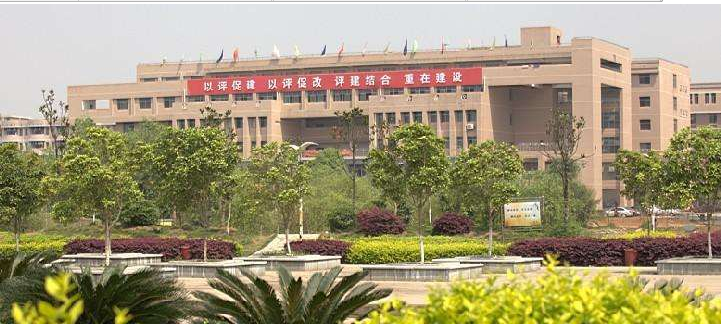
Concentrating on the scientific research and teaching research and reforms, it sets up 5 research institutes and 4 technology companies. Since 2000, the institute has won 168 provincial or above scientific research subjects, and also achieved success in 18 scientific research projects at the level of province and above. Meanwhile, its faculties have published more than 1000 papers on various key journals, among which 99 were collected in SCI, EI, ISTP indices and 26 were collected in “copied information from newspapers and periodicals” edited by the newspapers and periodical information center of Renmin University of China. It was awarded “Advanced Scientific Research Management Unit of Colleges in Hunan Province” in 2004. Our institute has won 24 provincial or above teaching research and reform subjects and make remarkable achievement in 12 teaching projects at the same level. And it was awarded the First “Excellent Research Institutes of Higher Education in National Colleges and Universities”in 2005.
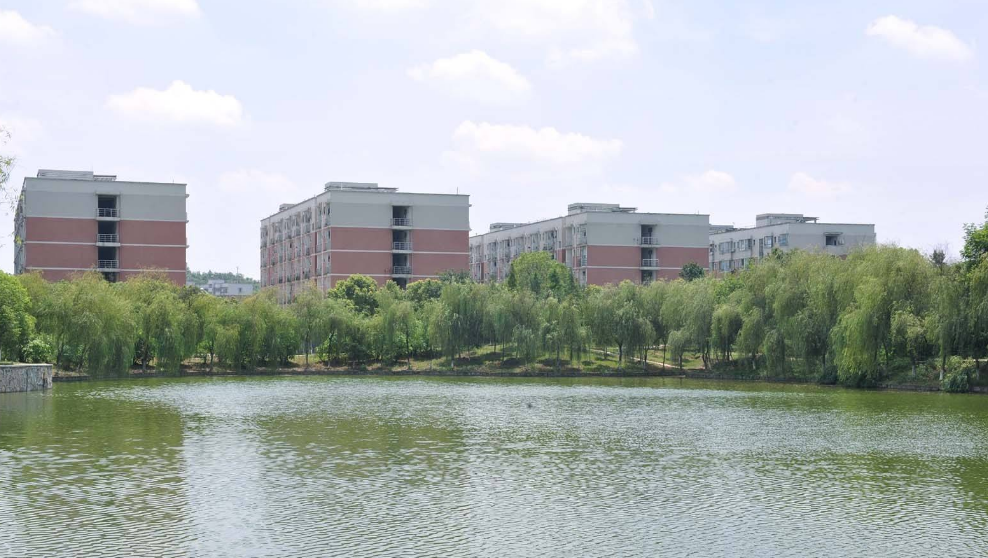
Laying stress on the cultivation of student’s integrated quality, since 2000, it has been awarded more than 60 prizes in the National Undergraduate Mathematical Contests in Modeling, National Undergraduates Electric Design Contests and National English Speaking Contests, of which are 4 first and 6 second prizes at national level, and 10 firsts in Hunan province. The institute has been awarded the “Excellent Graduate Employment Unit of Colleges in Hunan Province” for twice in both 1999-2002 and 2003-2005.
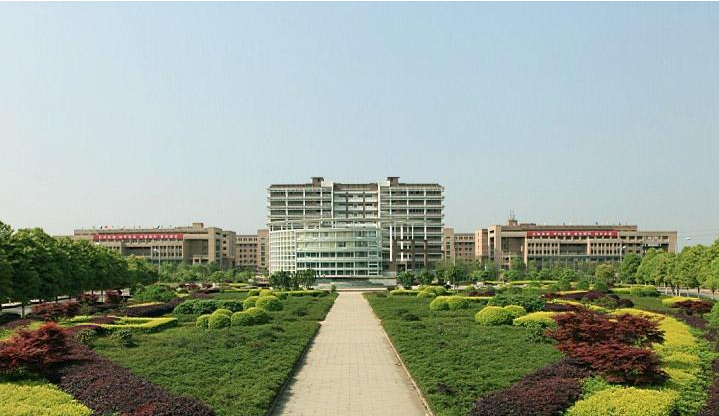
Hunan Institute of Technology is now on the way to perfecting itself. In accordance with the Spirit of HNIT � “Unselfish Dedication, Exploit and Enterprising, Wisdom and Harmonious in Communication, Pursuit of Excellence”, it places emphasis on the construction of Linghu campus as a new green, eco-taped and digital campus; on the basis of the speciality-oriented construction; on talent fostering mode of characteristic speciality; on breakthrough of cooperation between school and enterprise, and of social service. It adheres to the guideline � “Enhancement of Internal Construction, External Spread of Influence, Pursuit of Particular Characteristics, and Scientific Development”. The developing institute is devoting to accelerating the industrialization process of Hunan Province and making greater contribution to its economic, social and higher educational development.