-- Article list --
China's medical care system is composed of general hospitals, specialized hospitals, community health service centers and stations, outpatient departments, clinics, and emergency centers, which are of various types, sizes, and functions. There are non-profit public medical institutions run by the government as well as social medical institutions run by non-government forces (including medical institutions that are Chinese-foreign joint venture or Chinese-foreign cooperatives). Foreign nationals can seek medical treatment at institutions of their choice.
"120" is the emergency number in all parts of China that one can turn to for emergency medical response before hospitalization. It provides first aid, emergency treatment in transit, and patient monitoring beyond hospital boundaries. Almost all general hospitals have an emergency department to provide emergency medical treatment for patients in need.
According to the Social Insurance Law of the People's Republic of China and the Interim Measures for Social Insurance System Coverage of Foreigners Working within the Territory of China, foreign workers legally employed in China shall take out the Urban Employee Basic Medical Insurance (UEBMI) and enjoy the same medical insurance treatment as other insured workers. Foreign nationals can refer to the official website of their local administrative department of medical security for the list of hospitals covered by basic medical insurance, as well as the scope and ratio of medical insurance reimbursement.
Foreign nationals (or their employers) may purchase commercial medical insurance to cover additional risks not yet covered by basic medical insurance.
Source: Foreign Investment Guide of the People's Republic of China (2023 Edition)
1. Emergency calls
When necessary, dial the first aid call number “120” to get an ambulance in a medical emergency. It will take you to an emergency center or a particular hospital if you have asked for it. When you call you should know your location by street name and number.
You will be charged for the ambulance service. How much depends on the emergency treatment you receive during the trip and the distance from where you were picked up to the emergency destination.
2. Non-emergency appointments
Patients should make a doctor’s appointment one or two weeks in advance either online, via a hotline, or at the admission desk. The method for making an appointment varies from hospital to hospital. Online platforms include the hospitals official website and its official WeChat account; a third-party platform, such as Alipay, Healthcare 725 (健康725预约平台); and the Hunan Unified Medical Reservation Registration Platform (湖南省统一预约挂号平台).
3. Seeing a doctor
A. Make an on-site appointment if you have not registered in advance online or via the hotline. Always bring your passport and visa. It is good practice to bring extra xerox copies of both with you.
B. Pay the registration fee. If this is your first visit to the health care provider, you should be issued a medical card and a medical history record book by the health care provider. It is your responsibility to maintain this card and this book. It is a good practice to have current copies. Always bring both the medical card and the medical history book with you when seeking medical care.
C. Line up outside the consultation room until your number is called.
4. When seeing a doctor:
A. The doctor may order further medical tests. You will have to pay for the examination, keep the receipt and go to the office where the additional examinations or tests are to be carried out.
If the examination or test results are provided immediately, you may consult the doctor without waiting in line. If the results are not immediately available, you may have to return and register again.
B. After being given a diagnosis, medical advice, and a prescription, you will have to pay medical fees, obtain a printed invoice, and obtain the medications from the hospital pharmacy. Hospital pharmacies are usually located in, or near, the lobby of the out-patient building.
C. If hospitalization or surgery is required, you will go through the hospitalization check in formalities and pay at the inpatient department. It is best to be accompanied by a family member and a native speaker when seeking further treatment.
4. Hospitals Offering International Medical and Translator Services in Hunan
(1) Xiangya International Medical Center of Central South University
Xiangya Hospital is a hospital affiliated with Central South University, which is a large public hospital and an important center for medical treatment, education, and research.
Xiangya International Medical Center (XIMC) has a nationally and internationally renowned group of experts associated with Xiangya Hospital. A large number of overseas alumni provide world-class services for Xiangya’s patients.
Tel: 86-731-89752088/2089
Address: 87 Xiangya Road, Kaifu District, Changsha, Hunan
(2) International Medical Center of the First Hospital of Hunan University of Chinese Medicine
The First Hospital of Hunan University of Chinese Medicine is a modern, comprehensive, traditional Chinese medicine-based hospital with comprehensive functionality, significant clinical abilities, strong research, and innovation. Its International Medical Center was established in 2018. It provides high-quality and convenient "one-stop" comprehensive medical service.
Tel: 86-731-85600552
Address: No. 95 Shaoshan Middle Road, Changsha, Hunan
(3) Changsha Hospital of Traditional Chinese Medicine (Changsha Eighth Hospital)
Changsha Hospital of Traditional Chinese Medicine (Changsha Eighth Hospital) is a modern, comprehensive hospital of traditional Chinese medicine. The hospital is divided into three departments: the headquarters, the south hospital campus and the east hospital campus. Its key specialties include the department of orthopaedics and trauma(骨伤科), the department of acupuncture rehabilitation(针灸康复科)and the department of neurosurgery(神经外科).
Tel: 86-731-85259115 (for International Medical Center)
86-731-85259000 (hospital headquarter)
Address: No.22 Xingsha Avenue, Changsha County, Changsha, Hunan
(4) Hunan Provincial People's Hospital
The hospital has a total construction area of more than 170,000 square meters, with 3,740 beds available. It consists of 140 clinical and medical departments. The hospital is sponsored in clinical care by the national key clinical specialist construction project and gets support in hepatobiliary surgery, orthopedics, pediatrics, burn cosmetic surgery, gastroenterology and cardiology from the government of Hunan province. The hospital also strongly invests in its departments of neurology, otolaryngology, head and neck surgery, interventional vascular surgery, anorectal surgery, ophthalmology, renal medicine, anesthesiology and pharmaceutics.
Tel: 86-731-82278141
Address: No. 61 Jiefang West Road, Changsha, Hunan
(5) International Medical Services of Hunan Want Want Hospital
Hunan Want Want Hospital is a comprehensive care hospital of international standards. With an outstanding medical team, the hospital provides medical, educational and research services. The hospital has many renowned doctors. Most of doctors and nurses have been trained in Europe, the United States, Japan, and Canada and have international work experience. The hospital is equipped with the state-of-the-art technology and equipment and its medical team is dedicated to serving patients.
It is the preferred partner of more than 30 insurance companies. The hospital provides warm and comfortable professional medical services for foreigners who are working, studying, living in China as well as locals who have high-end medical needs. The services include both outpatient and inpatient care, emergency and wellness care.
The hospital provides English, Japanese, Russian and Spanish language support.
Service hotline: 86-731-82775411
Emergency center: 86-731-82775120 (for ambulance)
Address: No. 318, Renmin East Rd., Changsha, Hunan
(6) Changsha Economic Development Zone Hospital
The Changsha Economic Development Zone Hospital, also known as Changsha Jingkai Hospital, is a tertiary general hospital located at the intersection of Renmin East Road and Huangxing Avenue, just 150 meters from Exit 4 of the Longhua Station on Changsha Metro Line 6.
With skilled and experienced medical professionals and state-of-the-art technological equipment in Changsha, the hospital is able to provide enhanced services. It provides health counseling, outpatient, inpatient, and wellness care, in addition to practicing concierge medicine.
The International Medical Center of Changsha Economic Development Zone Hospital
Scope of Services
1. Diagnosis and treatment of acute diseases, and chronic disease management (outpatient, emergency, hospitalization, surgery, etc.);
2. Early screening of cancers, precise physical examination, genetic testing, and functional medical testing;
3. Nutrition guidance, scientific weight loss, and psychological counseling;
4. Healthcare solutions for civil servants, enterprise managers and employees;
5. Translation of medical records and physical examination reports, accompanying or translation;
6. Health education and health salons; and,
7. Physical examination for international students and overseas employees, and health consultation.
How to Consult a Doctor
(1) If you need a nurse to accompany you or to interpret, please make an appointment via telephone calls.
(2) If you come to the hospital for the first time, please fill in your personal information and register at the registration counter in the outpatient hall.
(3) If you have ever been to the hospital, you can register directly at the registration desk 1 in the outpatient hall.
(4) After registration, you can see a doctor after blood pressure measurement at the clinic of International Medical Center on the second floor.
Service Hours
Consulting hours: 8:00-12:00, 14:00-17:30; Monday to Sunday
Emergency service hours: 24/7
Foreign languages available: English, Japanese, French and Spanish
Emergency department telephone: 0731-82777120
Changsha Economic Development Zone Hospital
Tel: 86-731-82776999
Address: No. 52, Huangxing South Avenue, Changsha Economic and Technological Development Zone
(7) The First People's Hospital of Xiangtan City
Founded in 1958, the First People's Hospital of Xiangtan City is a hospital affiliated with the University of South China. It consists of two parts: the headquarters and the south hospital campus. The hospital has strong academic discipline and advanced equipment.
Address: No. 100 Shuyuan Road, Yuetang District, Xiangtan City, Hunan
Tel: 86-731-58669199 (hospital headquarter)
86-731- 58669212 (for appointment)
86-731-58669120 (for ambulance)
(8) Zhuzhou Central Hospital (The Xiangya Hospital Zhuzhou of Central South University)
Tel: 86-731-28561092(for appointment)
86-731-28219219 (for ambulance)
Address: No. 116 Changjiang South Road, Tianyuan District, Zhuzhou City, Hunan
5. Medical Insurance
Hospitals like Xiangya Hospital of Central South University provide an expedited service for foreign patients who have obtained a letter of guarantee of payment from Chinese or foreign insurance companies. After all medical procedures are completed, the costs incurred by the patient are settled by their insurance companies.
Wearing masks scientifically can prevent respiratory infectious diseases such as novel coronavirus pneumonia and influenza, and protects both themselves and the public health. At present, in order to guide the public to wear masks scientifically, effectively prevent and control the epidemic, and protect public health, the following guidelines are proposed. Here are the guidelines on wearing masks scientifically for public. This guideline makes scientific suggestions on wearing masks to combat COVID-19 in different scenarios.
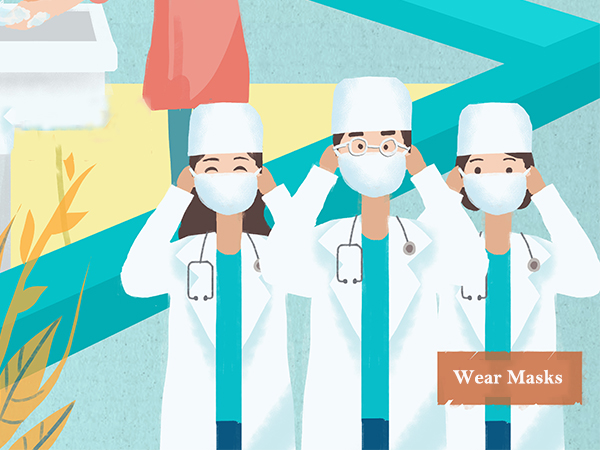
(1) Home and outdoor, no people gathered, good ventilation.
♦ Protection recommendations: Do not wear a mask
(2) Being in a crowded place, such as office, shopping center, restaurant, meeting room, workshop, box elevator, public transportation, etc.
♦ Protection recommendations: In medium and low-risk areas, spare masks (disposable medical masks or medical surgical masks) should be worn with you, and wear masks when in close contact with other people (less than or equal to 1 meter). In high-risk areas, wear disposable medical masks.
(3) For those with cold symptoms such as coughing or sneezing.
♦ Protection recommendations: Wear disposable medical masks or medical surgical masks.
(4) For those who live with people who are separated from their homes and discharged from rehabilitation.
♦ Protection recommendations: Wear disposable medical masks or medical surgical masks.
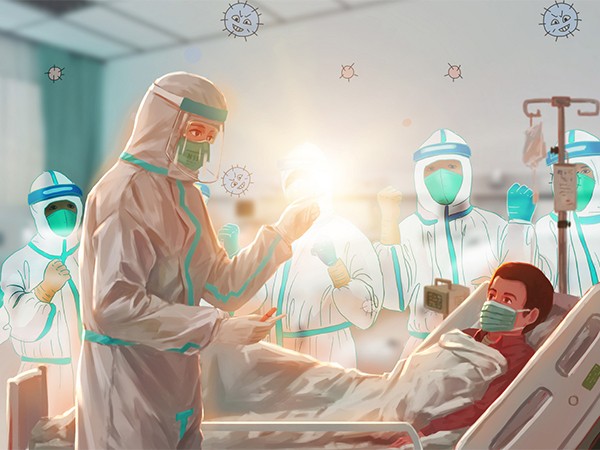
Personnel in Specific Places
(1) densely populated hospitals, bus stations, railway stations, subway stations, airports, supermarkets, restaurants, public transport, as well as community and unit import and export places.
► Protection recommendations: In medium and low-risk areas, workers wear disposable medical masks or surgical surgical masks. In high-risk areas, workers wear medical surgical masks or protective masks that comply with KN95 / N95 and above.
(2) In prisons, nursing homes, welfare homes, mental health medical institutions, school classrooms, construction site dormitories and other densely populated places.
► Protection recommendations: In medium and low-risk areas, keep a spare mask with you on a daily basis (disposable medical masks or medical surgical masks), and wear masks when people gather or come into close contact with one another (less than or equal to 1 meter). In high-risk areas, workers wear medical surgical masks or protective masks that comply with KN95 / N95 and above; others wear disposable medical masks.
Key Personnel
Suspected cases, confirmed cases, and asymptomatic infections of new coronavirus pneumonia; close contacts of new coronavirus pneumonia; entry people (from entry to end of quarantine).
• Protective suggestion: Wear medical surgical masks or non-exhalation valves in accordance with KN95 / N95 and above protective masks.
Occupational Exposure Personnel
(1) Medical personnel such as general outpatient clinics and wards; emergency medical personnel in medical institutions in low-risk areas; administrative personnel, police, security, cleaning, etc. engaged in epidemic prevention and control.
⇒Protective suggestion: Wear surgical masks.
(2) Personnel working in the ward and ICU of patients diagnosed with a COVID-19 pneumonia, suspected case patients; medical staff at designated medical institutions for fever clinics; medical staff in emergency departments of medical institutions in middle and high risk areas; epidemiological investigations and experiments room testing, environmental disinfection personnel; personnel transferring confirmed and suspected cases.
⇒Protective suggestion: Wear medical protective masks.
(3) Operators engaged in the collection of respiratory specimens; staff who perform tracheotomy, tracheal intubation, bronchoscopy, sputum suction, cardiopulmonary resuscitation, or lung transplantation, pathological anatomy in patients with novel coronavirus pneumonia.
⇒Protection suggestion: hood-type (or full-type) powered air-supply filter-type respirator, or half-face-type power-supply air-filter-type respirator with goggles or full screen; P100 anti-particulate matter is required for both types of respirator Filter elements, filter elements cannot be reused, protective equipment shall be used after disinfection.
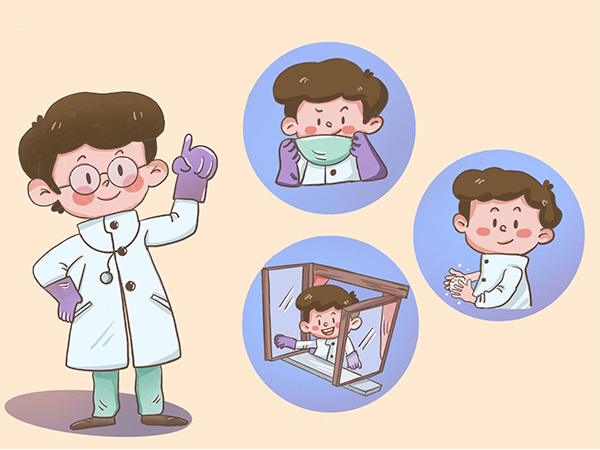
Precautions for Use
(1) Respiratory protective equipment includes face masks and respirators. Wash hands before wearing and after removing.
(2) Pay attention to the front and back, and up and down when wearing a mask. The mask should cover the nose and nose, and adjust the nose clip to fit the face.
(3) Avoid touching the inside and outside of the mask with your hands during wearing. Take off the mask by removing the cord at both ends.
(4) Wearing multiple masks cannot effectively increase the protective effect, but instead increases the resistance to breathing and may damage the adhesion.
(5) There is no evidence to prove the effectiveness of various measures such as cleaning and disinfection of masks.
(6) Both disposable medical masks and medical surgical masks are used for a limited time, and the cumulative use does not exceed 8 hours. Occupational exposure personnel do not use masks for more than 4 hours and cannot be reused.
Top 9 Self-Protection Reminders in Public Places during the Critical Period of Epidemic Prevention
In March, many people have resumed production and work. At the critical time of the resumption of work and production across the China, prevention and control cannot be relaxed! We still need to be vigilant against the epidemic situation, and we must not relax our slackness and avoid falling short. Here are top 9 self-protection reminders in public places during the critical period of prevention and control. Please pay attention to the protective work and measures in the following places.
1.Supermarkets and department stores
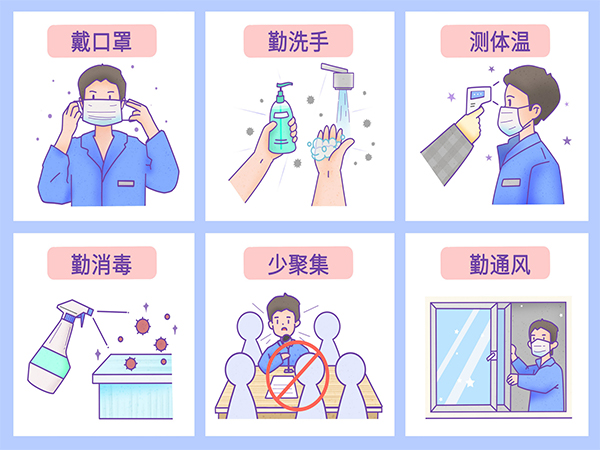
Shopping malls and supermarkets are public areas that are crowded with people. When you go to the shopping mall, you should try to avoid the peak passenger flow and cooperate with the body temperature detection.
When shopping, it is best to spread out to shop, maintain a safe distance with adjacent customers and reduce language communication. You are suggested to take the escalator between the elevator and the escalator, and keep a distance on the escalator, as well as do a good job of hand sanitation and disinfection.
When sneezing in line, be sure to cover your nose and mouth with a tissue or elbow. Whenever possible, choose non-direct electronic payment, such as QR code payment.
2.Public Park
Although the opening of the park scenic area is pleasing, it is still necessary to do a good job of personal protection and do not be careless so that the epidemic prevention work lost.
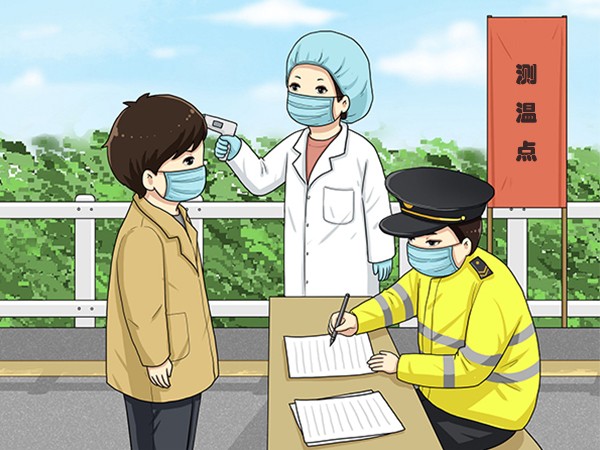
It is recommended that you should stagger the peak period when going in and out of the scenic spot, travel in batches, and enter the park strictly in accordance with the requirements of each scenic spot. You’d better regulate and wear masks properly and cooperate with body temperature measurement.
After entering the park, do not organize or participate in gathering activities, and try not to touch the public facilities in the scenic area and the park, such as benches, fitness equipment, handrails, etc. If you do not avoid contact, wash your hands in time for sanitizing your hands. Never touch your eyes, nose, and mouth with your hands before disinfecting.
Of course, it is best to reduce the number of garden visits and avoid excessively long stays in public.
3.Medical Locations
If there is no fever during the coronavirus epidemic, try to avoid going to a fever clinic. If you cannot avoid it, make an appointment in advance to avoid waiting too long and staying for a long time.
When entering a medical place, be sure to bring a mask, and reduce excessive contact with hospital items. If you can't avoid it, it is better to wear gloves, and you should bring a portable hand sanitizer for hand disinfection protection work.
4.Stadiums
We advocate scientific fitness and try to avoid going to closed indoor venues. In outdoor venues, you should also try your best to take precautions, regulate wearing masks, minimize contact with public facilities, and try to maintain a safe distance of 1.5 to 2 meters from others.
Do not participate in sports activities that require close contact. Protecting yourself is also protecting others.
5.Work Places
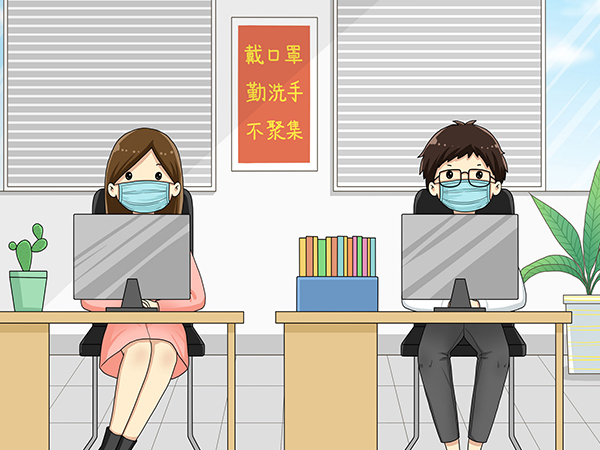
In the workplace, you should reduce gatherings such as meetings, and reduce daily communication. Try to use social software and other tools that do not need to gather to meet or talk, and try to be as distracted as possible while sitting.
At the same time, individuals in the workplace should also strengthen their self-prevention awareness, regulate wearing masks, and wash their hands as soon as possible after using public facilities such as elevators.
It is recommended that you develop the daily habit of wearing a mask, washing your hands frequently, ventilating, and drinking plenty of water. Try to avoid gathering meals during meals.
6.Restaurants
During the resumption of work, masks must be worn properly when dining at the restaurant. Try to avoid face-to-face meals while reducing meal time and staying too long.
It's best to stagger the rush hours to eat. If there are more people in the restaurant, it is better to pack and bring them back to avoid potential threats such as possible cross infection. At the same time when eating, pay attention to the sanitation and disinfection of hands, and pay attention to washing hands frequently.
7.Airports and stations
During the resumption of work, the airport and the station are densely crowded and the people coming and going are more complicated. Therefore, it is best to calculate the time of travel when traveling and avoid waiting at the airport or station for a long time.
During the journey, you must pay attention to wearing masks in a standardized manner, and try to avoid or reduce conversations with other passengers. If possible, it is best to keep a distance from the seat, and pay attention to civilization and use tissue paper when coughing or sneezing.
8.Subways and buses
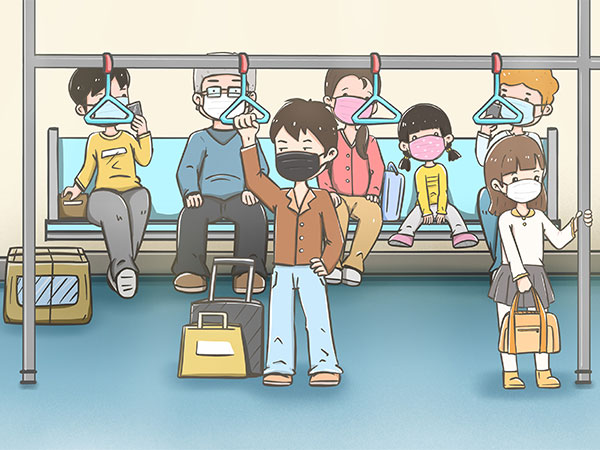
Try to minimize or avoid touching facilities in the bus or subway, and try to keep conversations with other passengers to a minimum and at a distance.
9.Taxi and ride-hailing
When taking a taxi or online ride-hailing car, if possible, it is best to open the door for one to two minutes before boarding the vehicle, and disinfect the contact area with disinfectant paper towels.
During the whole ride, be sure to wear a mask regularly and check whether the driver is wearing a mask. If not, remind the driver to wear a mask. It is best to open the window to ventilate during driving. You can also use electronic payment methods, such as QR codes, without direct contact when paying.
How Can I Protect myself from the Novel Coronavirus? Faced with the current new coronavirus outbreak, personal prevention is the top priority. According to the views of experts from China CDC (Centers for Disease Control and Prevention) and WHO (World Health Organization), we should pay attention to the following precautions to help prevent the spread of respiratory viruses:
1. Wash your Hands Frequently and Maintain Hand Hygiene
Wash your hands frequently with running water and use soap or an alcohol-based hand sanitizer. Wipe your hands with disposable paper towels or clean towels. Wash hands immediately after touching respiratory secretions. When coughing or sneezing, cover your mouth and nose with a tissue, towel, etc. Wash your hands after coughing or sneezing, and avoid touching your eyes, nose, or mouth with your hands. Remember wash your hands before meals, after the bathroom, before and after preparing food.
2. Wear Masks When Going Out
It is highly recommended to wear masks and goggles when going out. Wear medical surgical masks or N95 masks when going out to public places for medical treatment, food purchases, or public transportation. Avoiding crowded places and wearing masks when necessary can effectively reduce the risk of infection. Avoid closed, airless public places, especially children, the elderly, pregnant women and people with underlying diseases. Maintain at least 1 metre (3 feet) distance between yourself and anyone who is coughing or sneezing.
3. Minimize Outdoor Activities
Avoid going to areas where the disease is endemic, such as Wuhan. It is suggested to reduce visits to friends and relatives and have meals together during the epidemic of 2019-nCoV, and try to rest at home as much as possible. Reduce activities to people-intensive public places, especially places with poor air mobility, such as public baths, hot springs, cinemas, Internet cafes, KTVs, shopping malls, stations, airports, terminals, exhibition halls, etc.
4. Avoid Close Contact with the Source of Infection
Stay away from suspected and confirmed the Novel Coronavirus patients. Avoid close contact with people who have respiratory symptoms such as fever and cough. Avoid sharing cups, tableware, towels, toothbrushes and other items with others. Do not slaughter or eat sick or dead poultry. Try not to have close contact with farmed or wild animals without protection, avoid contact with sick animals and spoiled meat. Try not to have close contact with farmed or wild animals without protection, and avoid contact with stray animals and waste water in the fresh market.
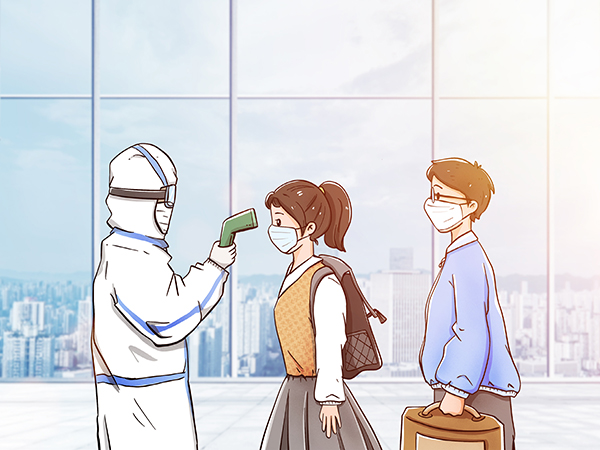
5. Health Monitoring and Timely Medical Treatment
Do personal health monitoring, it is recommended to take temperature in the morning and evening. The normal temperature of the human body is between 36.3℃ and 37.2℃. If you have suspicious symptoms such as continued fever, cough, and difficulty breathing, you should consciously avoid contact with others, wear a mask, and go to a medical institution in time according to the condition. You should take the initiative to tell the doctor about your travel and residence history in the area where the disease is endemic, and who you have contacted since the onset of the disease, and cooperate with the doctor to carry out related investigations.
6. Keep Good Hygiene and Healthy Habits
Make sure you, and the people around you, follow good respiratory hygiene. Covering your mouth and nose with your bent elbow or tissue when you cough or sneeze. Then dispose of the used tissue immediately. Cook meat and eggs thoroughly during cooking. Avoid eating raw or undercooked meat or animal organs. Keep the environment clean and ventilated regularly. Do not touch, buy or eat wild animals. Prepare thermometers, medical surgical masks or N95 masks, disinfection supplies and other materials in case of emergency.
7. Enhance Physical Fitness and Immunity
Maintain a healthy lifestyle. The key to keep fit is doing more exercise, reasonable diet, working and resting regularly and keeping happy mood. Besides, you should eat a well-balanced diet to enhance the body immunity. Eat more fruits and vegetables. Keep a good mood and maintain a positive attitude towards to the New coronavirus outbreaks, believing that the current crisis will end and China will successfully fight off the coronavirus.
Q: Is it still necessary to take a COVID-19 nucleic acid test if I get vaccinated?
A: A COVID-19 vaccination certificate does not play the same role as a nucleic acid test report. During the epidemic, people ought to collaborate with the authority to conduct nucleic acid tests in light of the following facts:
First, no vaccine can provide full (100%) protection. Even though you are vaccinated, the vaccine may still fail to have a preventative effect on you. In that case, you may be infected and tested positive in case of being exposed to the VOCID-19 virus.
Second, it will take some time for the vaccine to have a preventative effect on you after you were vaccinated. If you got infected before it even has an effect, you may be tested positive.
Third, you may have been infected before you got vaccinated. In the virus incubation period or when you are asymptomatic with infections, you may be tested positive. Therefore, even though you have completed your vaccination schedule, you still need to conduct a nucleic acid test.
Q: Do I need to get vaccinated if I had been infected?
A: Existing data shows that people seldom get infected again within six months since he/she was infected with COVID-19. Therefore, you could start your vaccination schedule six months later after you were infected (confirmed or asymptomatic), based on full complete understanding and willingness.
Chinese source: Hunan Provincial Center for Disease Control and Prevention
The handling authority: Hunan International Travel Healthcare Center
Conditions:
People who had been abroad for one year and more should have the infectious diseases surveillance and physical examinations conducted following the Frontier Health and Quarantine Law of China and its implementation rules, before having the COVID-19 vaccination records translated and registered. People who had been abroad for less than one year can submit the documents related to their travels abroad (including visa, round trip air tickets, and approval documents for going abroad) for vaccination records translation and registration.
Procedures:
Please make an appointment on the WeChat public account “湖南国际旅行卫生保健中心[Hunan International Travel Healthcare Center] after fully completing your vaccination schedule. Please provide both the original and the copy of your vaccination records to the handling authority, the Hunan International Travel Healthcare Center, and arrive at the center according to an appointed time. Please make proper self-protection, and collaborate with epidemic prevention and control regulations and requirements of the center. To meet the demand of exit and entry personnel, the center can provide COVID-19 nucleic acid test service and Chinese-English bilingual testing report.
Contact:
Add: No.199, 2nd section of Renmin East Road, Changsha Economic and Technological Development Zone
Tel: 086-731-86869403
This article is from Hunan Provincial Government www.enghunan.gov.cn.
The Changsha COVID-19 Prevention and Control Command Center recently released new regulations for epidemic prevention and control during winter and spring. Here are some common questions and answers on home isolation and health monitoring:
1. Q: Who is required to undergo home isolation or health monitoring?
A: Home isolation is compulsory for:
- Persons coming from medium-risk regions, or any part of one; or, who were present in medium-risk regions, or any part of one, for more than 4 hours; and,
- Inbound travelers who have completed 14-day quarantines at their disembarkation cities, and are able to comply with the home isolation requirement which is “one person only isolated in one household” after arriving in Changsha.
Health monitoring is required for:
- Persons coming from low-risk counties, cities, and districts outside Hunan; and,
- High-risk persons in Hunan.
High-risk persons are those with high exposure risks to COVID-19 virus. They include: medical clinical diagnosis and treatment personnel; people working at quarantine sites; epidemic prevention and control staff at ports; import logistics staff; international aviation staff; and, public transportation staff.
2.Q: What are the differences between home isolation and home health monitoring?
Can a person stay at home with their family members during his/her home isolation period?
Can a person go outside the residence during the health monitoring period?
A: Home isolation must be supervised by local community medical personnel and fulfill the requirement of “one person only isolated in one household”. There is to be no mixing of persons who must isolate and those not required to isolate. If all the family members are required to undergo home isolation, they can be isolated in the same residence.
Persons required to take health monitoring: if using proper personal protection, they may get to work and go out if necessary during health monitoring period. During this period, routine monitoring of temperature and symptoms are required in order to prevent risk and protect other residents, and society at large. During the health monitoring, persons should limit activities outside the residence and practice social distancing.
3.Q: What does “avoid movement during the health monitoring period” mean?
A: People who are from low-risk locations outside Hunan, or are among high-risk groups in Hunan, should avoid cross-regional moving during health monitoring period.
This article is from Hunan Provincial Government www.enghunan.gov.cn.
China has rolled out a series of guidelines to ensure the well-being of people who had been asked to avoid traveling during the upcoming 2020 Spring Festival holiday.
All residents in areas at high risk of COVID-19 shall stay at their current residing localities to prevent spreading the epidemic, said a recent circular released by the general offices of the Communist Party of China Central Committee and the State Council.
Travel from medium-risk areas will need permission from the local epidemic prevention and control authorities. Those living in low-risk areas shall be advised to avoid traveling unless necessary, the circular said.
According to the circular, all localities, especially large and medium-sized cities, are asked to guarantee stable supplies of necessities and energy. It demanded smooth logistics and transport services to meet the needs for shopping, recreation, and entertainment of people who stay where they work during the holiday.
Efforts should ensure that those who work during the holiday enjoy due overtime payments and rest under the relevant laws, it added.
The Spring Festival, or the Chinese Lunar New Year, falls on Feb 12 this year.
Prevention and control measures should be in place, with constant vigilance against the risk of resurgence, even after the COVID-19 epidemic has been largely brought under control in China, said a notice issued on Jan 20 by the State Council joint prevention and control mechanism against COVID-19.
Efforts require a stronger emergency command system supported by detailed prevention and control targets, plans and practices, as well as work teams responsible for nucleic acid testing, epidemiological surveys and source tracing, quarantine, regional coordination and traffic control.
The system should work 24 hours nonstop for speedy response in case of any outbreaks, and for areas seeing COVID-19 clusters, it should come together with a provincial front line command center.
The notice required cities with less than 5 million permanent population to be able to complete nucleic acid tests for all residents within two days, and bigger cities within three to five days.
To support testing, personnel and equipment shortages should be overcome in a timely manner, with the help of disease prevention and control agencies, medical institutions and third-party testing companies.
Nucleic acid tests should be conducted at least once a week for high-risk groups such as workers handling cold-chain foods, employees in the service sector should be periodically sampled for testing, and some key places should be subject to regular environmental assessment.
In launching epidemiological surveys and source tracing, departments in charge of disease prevention and control, public security, industry and information technology, communications and transportation, among others, should enhance coordination.
Each region should earmark sufficient ready-to-use rooms to quarantine close and sub-close contacts of confirmed patients, with more stringent control over those in high-risk regions.
To avoid cross-infections, workers at quarantine sites should be trained to follow requirements for meal delivery, disinfection, waste disposal and other services.
Infectious disease hospitals with capacity for comprehensive treatment and general hospitals qualified in respiratory infectious disease control and prevention should be appointed as designated hospitals, and no less than 10 percent of the total beds should be available for intensive care.
All regions should take epidemic control and prevention in rural areas as top priority. The surrounding areas of airports, urban-rural fringe areas and rural areas with more returning migrant workers should take more care. Workers in service industry in urban-rural fringe areas, especially those who work in cold-chain logistics companies, should take more frequent nucleic acid tests. Returning workers during Spring Festival should be registered and accept daily health monitoring.
Public places like markets, fairs, function rooms for villagers, chess and card rooms should be strictly monitored, and populated institutions such as nursing homes, welfare institutions and prisons should also strictly implement epidemic prevention and control measures.
Confirmed cases, suspected cases and asymptomatic carriers should be reported through the internet within two hours by medical institutions that receive their positive test results. Regions with cases should hold daily news conferences.
People should be guided to form good health habits and modes of living. They should always wear masks, wash their hands frequently, and avoid going to populated areas. Living materials and home heating must be guaranteed for people who do not return home during the upcoming Spring Festival.


Q1: What is the age requirement for COVID-19 vaccination?
Currently only foreign nationals who are 18 years old or above are eligible for vaccination.
Q2: Which vaccine will I receive?
Currently an inactivated SARS-CoV-2 (Vero cell) vaccine and a recombinant COVID-19 vaccine (CHO cell), both made in China, are being used in Hunan Province. A full course of SARS-CoV-2 (Vero cell) vaccine consists of 2 doses at the interval of 3 weeks at least and 8 weeks at most. The recombinant COVID-19 vaccine (CHO cell) consists of 3 doses, interval among each dose should be at least 4 weeks. The second dose should be given no later than 8 weeks after the first dose, and the third dose no later than 6 months after the first dose. Please refer to the specific instructions before vaccination. The instructions may change depending on the vaccine type later supplied at the vaccination site.
Q3: How to make an appointment for vaccination?
Foreign nationals who are eligible for taking vaccines may book the vaccination in the following ways: Those who have an employer are supposed to apply to your employer who will collect the booking information and make appointment with the local health authority; individuals without an employer may book your vaccination with the community (village) where you live, which will collect the booking information and make appointment with the local health authority; individuals may also book vaccination directly with the designated hospital in your community.
Q4: What documents are required for vaccination?
Foreign nationals need to provide a valid ID when making the appointment of vaccination, and to provide your passport and valid residency permit on the spot of vaccination. Please make sure that the relevant certificates are within validity.
Q5: What kind of papers need to be signed?
Before the vaccination, you will be required to sign an informed consent and a letter of commitment at the same time. You should also take personal protection measures and inform medical staff on site of your health condition so that they can decide if you are suitable for inoculation or not.
Q6: Should I pay for the vaccination?
Foreign nationals who have been covered by Hunan’s social medical insurance scheme may take vaccine free of charge by presenting due insurance document at the vaccination site. Those who have not should bear the cost of RMB 100 per dose.
Q7: Are there some dos and don’ts after vaccination?
You should stay at the vaccination site for 30 minutes of observation after getting vaccinated, and may then leave if you have no adverse reaction. Keep the injection point dry on the day of vaccination and pay attention to personal hygiene. You should immediately seek medical help and alert the vaccine provider if you develop a persistent fever or other symptoms.
Q8: How do I get the vaccination certificate?
When completing the vaccination, you can get the COVID-19 vaccination certificate from the medical staff at the vaccination site.
Q9: Do I need to wear a mask after being vaccinated?
Vaccination will produce immunity from COVID-19 and greatly reduce infection risks. However, None of the vaccines can be guaranteed for a 100% protective effect; some people may have insufficient antibodies after the vaccination and they can still be vulnerable to infection, especially when an immunologic barrier is not yet created. So it is important to wear masks, wash hands regularly, and keep social distance.
Q10: Do I still have to take nucleic acid test after being vaccinated? Can my vaccine taking certificate substitute for nucleic acid test report?
Vaccine taking can reduce infection risks, but no vaccine is 100% effective. When necessary, you should still cooperate with relative departments and take nucleic test as required.
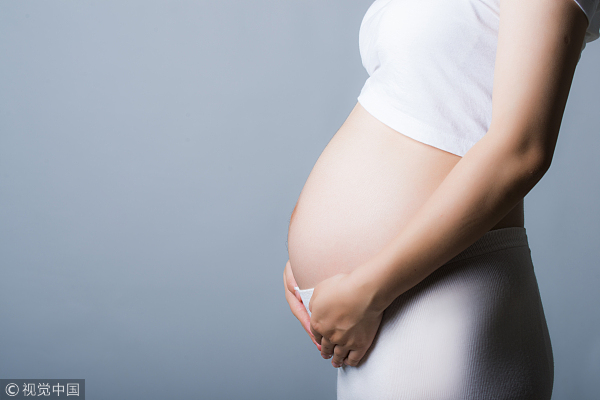
1. When a woman has been pregnant for 28 weeks or more, or at high risk, antenatal checkups must be done regularly and strictly. Other pregnant women can lengthen the intervals between hospital visits appropriately on the advice of the doctor.
2. If a pregnant woman has symptoms of abnormal fetal movement, irregular uterine contraction, amniotic fluid breaking, bleeding, blood pressure of more than 140/90 mmHg, dizziness and blurred vision, she should go to hospital for treatment.
3. It is recommended that a pregnant woman goes to a fever clinic for treatment first, when she has fever.
4. A pregnant woman who is a suspected or confirmed coronavirus patient should be treated at a designated hospital.
5. A pregnant woman who has mild symptoms or is an asymptomatic carrier should be isolated and treated, either at a centralized location or at home, on the advice of the doctor.
6. A pregnant woman who stays in the hospital should take good self-protection measures, including wearing masks, washing hands regularly, and avoid too many visits from family members.
7. A pregnant woman must wear a mask when she goes outside, as should anyone accompanying her. Don't touch mouth, eyes and nose without washing hands. Wash hands as early as possible after leaving the hospital.
Sources: Beijing Municipal Health Commission, Beijing Center for Disease Prevention and Control and Beijing Health Education Institute
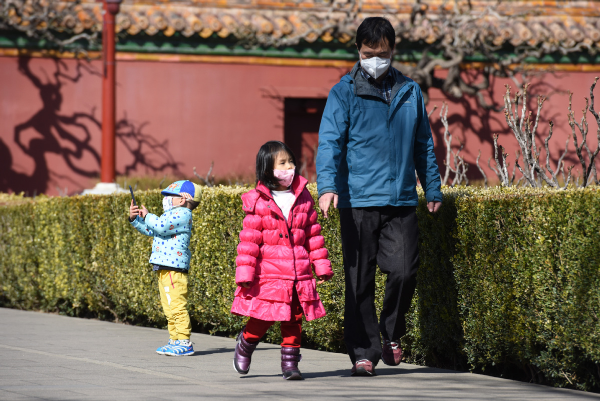
Don't go out frequently. If the child must go out, choose an open, ventilated place with fewer people, and avoid going to packed areas.
2. Children should wear children's special disposable masks when they go out. Accompanying adults should also wear masks. Children's hands can be disinfected with disposable alcohol-based hand sterilizers. Change their clothes in good time and get them to wash their hands carefully after returning home.
3. Have a regular schedule, eat healthy food, do more parent-child reading, play games and sports and avoid gatherings.
4. Wash hands carefully before eating and after using the toilet, as well as before touching the eyes, nose or mouth. You should wash hands before coming into contact with children.
5. When sneezing and coughing, cover your mouth and nose with a flexed elbow or a tissue.
6. Keep cleaning the house. Children's toys and cutlery must be regularly disinfected. Open windows every day for ventilation.
7. Do not share cutlery with children. Do not blow on food to cool it, or taste and chew food when feeding children.
8. If the child has a fever and has had any contact with people who have had fever, feebleness, dry cough or other symptoms in the last 14 days, you are advised to take the child to the fever clinic in the nearest hospital.
If the child has fever, but didn't have such contact within the prior 14 days, you can take him or her to a children's hospital for regular treatment.
Sources: Beijing Municipal Health Commission, Beijing Center for Disease Prevention and Control and Beijing Health Education Institute