Along the slow turn of the Yangtze River, where the water widens and the air grows heavy with the scent of wet earth and river silt, lies Wuhu—a city that prefers to whisper rather than shout. Known historically as "Jiuzi," Wuhu has long been a vital port on the lower Yangtze, a place where the rhythms of trade and the pace of daily life have learned to coexist. It is a city defined by its relationship with water, yet it is the unexpected solidity of its hills and the deliberate grace of its urban planning that leave the deepest impression.
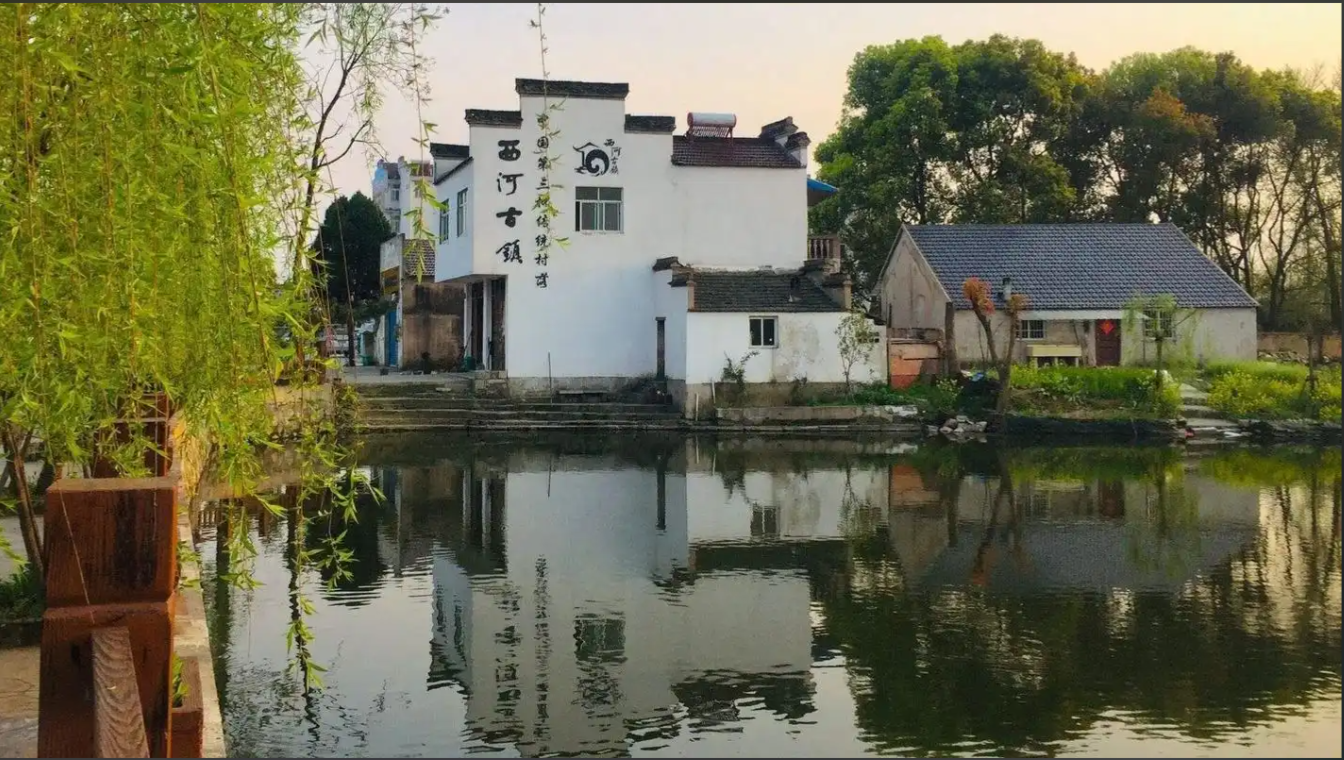
To walk through Wuhu is to navigate a dialogue between the ancient and the contemporary. The Zheshan Park (Crane Hill) offers a quiet vantage point over the city; from its summit, one can see the spires of old temples nestled against the sleek lines of modern bridges crossing the Qingyi River. Nearby, Mirror Lake (Jinghu) reflects the passing clouds and the elegant silhouettes of weeping willows, embodying the classical Chinese aesthetic of "half city mountain, half city water." This is not a static beauty, but a lived one, where residents practice tai chi at dawn and students drift along the banks at dusk.
Wuhu’s cultural soul, however, is perhaps best understood through its embrace of craft and innovation. It is the birthplace of the Hollow-face Carved Lacquerware, a technique so delicate it seems to defy the rigidity of wood and the viscosity of lacquer. This spirit of intricate creation extends to its literary heritage; the city honors the memory of Wu Jingzi, author of The Scholars, whose satirical pen captured the complexities of scholarly life during the Qing Dynasty. Today, this legacy is housed in the tranquil setting of the Wuhu Museum, which connects the dots between ancient bronzes and the city’s rise as a modern industrial and tech hub.
Yet, Wuhu reserves its most playful surprises for the visitor. It is home to Fantawild Adventure, a flagship of Chinese creative industries, where high-tech storytelling brings mythology to life. This juxtaposition—of serene lakeside pavilions and cutting-edge theme parks—speaks to a city confident in its identity. Wuhu does not fear the new; it simply asks that the new honor the old.
Culinary traditions here are similarly grounded. A bowl of Wuhu Shrimp Roe Noodles is not merely a meal but a taste of the river’s bounty, its briny depth a reminder of the city’s maritime connections. The local saying, "Arrive in Wuhu at dawn, depart from Wuhu at dusk," hints at a city that is easy to enter but difficult to leave, its charms accumulating slowly like the sediment of the great river it calls home. In an age of rapid urbanization, Wuhu offers a different proposition: a place where progress is measured not just in GDP, but in the preservation of its reflective waters and the quiet dignity of its hills.