-- Article list --
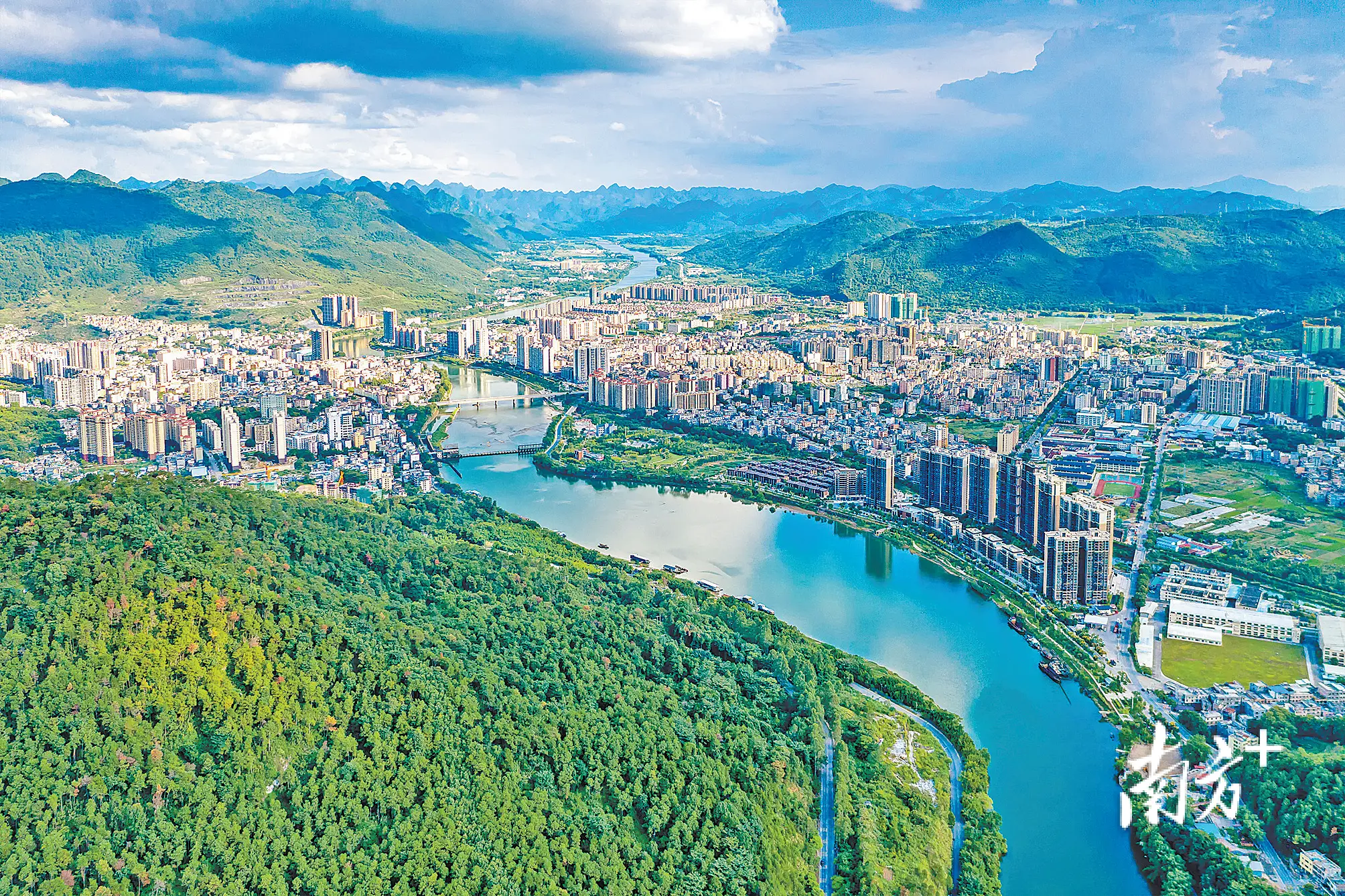
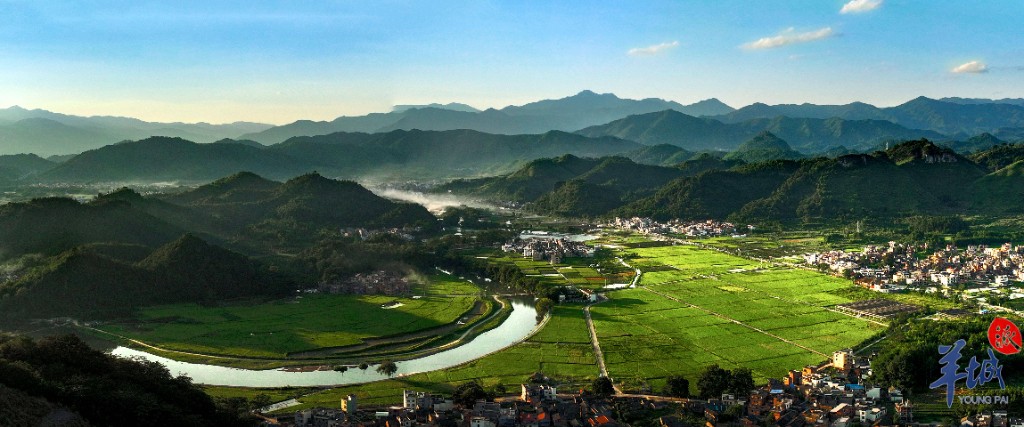
Some cities are defined by skylines; Qingyuan is defined by its river. Tucked into the north-central fold of Guangdong along the Beijiang (North River) basin and often called Fengcheng(“Phoenix City”), it is the largest prefecture-level city in the province by area, yet it reads less like a sprawling metropolis and more like a long, green breathing space where mountains, gorges, farms, and water decide the pace of life.
What gives Qingyuan its character is the way it stacks contrasts without apology. Upstream canyons and forested ridges feed a dense river network—ideal for white-water rafting and canyon adventures—while the same geology that carved those ravines also spills warm, mineral-rich springs out of the ground, turning hillsides into lantern-lit spa towns when the air turns cool. It is no accident that Qingyuan is widely promoted as a “Hometown of Drifting/Rafting” and later formally recognized as a “City of Hot Springs” (the local government’s own briefing materials spell out the rafting origins, hot-spring inventories, and the seasonal Qingyuan Hot Spring Festival programming that anchors the city’s autumn–winter leisure calendar).
Travel here is really a menu of five classic moods—locals sometimes summarize them as “passionate rafting, intimate hot springs, leisurely landscapes, wondrous caves, and ethnic heritage”—and all five show up in the same weekend.
You can spend the morning chasing grade and plunge in places like Gulong Gorge, where the canyon’s stair-step waterfalls and suspension elements make the river feel cinematic; then pivot to forest trails and glass-view platforms that turn adrenaline into scenery.
You can drift, quite literally, into the dark elegance of the Lianzhou Underground River, a karst landmark where boats glide beneath stalactite vaults and the temperature seems to belong to another century—cool, hushed, and strangely timeless.
Or you can head southwest into the Yingxi Peak Forest country, where limestone pinnacles rise out of paddies and hamlets in a way people like to call “Little Guilin of Guangdong,” and where the best views tend to happen when you stop looking for them.
But Qingyuan’s quietest distinction may be human. In its upland counties—above all Liannan Yao Autonomous County and neighboring Lianshan—the ridgelines carry drumbeats and embroidery patterns as much as they carry cloud. At places like the hill-clinging Nangang/Nan’er “Thousand-Year Yao Village,” you don’t just “see” heritage; you walk lanes of timber stilt houses, catch the rhythm of long-drum dances, and understand why this is the province’s most concentrated tapestry of Zhuang and Yao mountain culture.
Positioned as the Pearl River Delta’s “backyard garden,” Qingyuan keeps one foot in deep countryside and the other on fast rails and expressways that put it within easy reach of Guangzhou/Zhuhai Delta circuits—close enough for a Sunday escape, far enough to feel like somewhere the sky finally opens up again.
Come for the canyon mist and the steam of a hillside spring; stay because the food (yes, the famous free-range chicken, yes, the mountain teas) tastes like the landscape that raised it. In Qingyuan, the itinerary is less a checklist than a rhythm: paddle, soak, wander, listen—then do it all over again under a different kind of light.
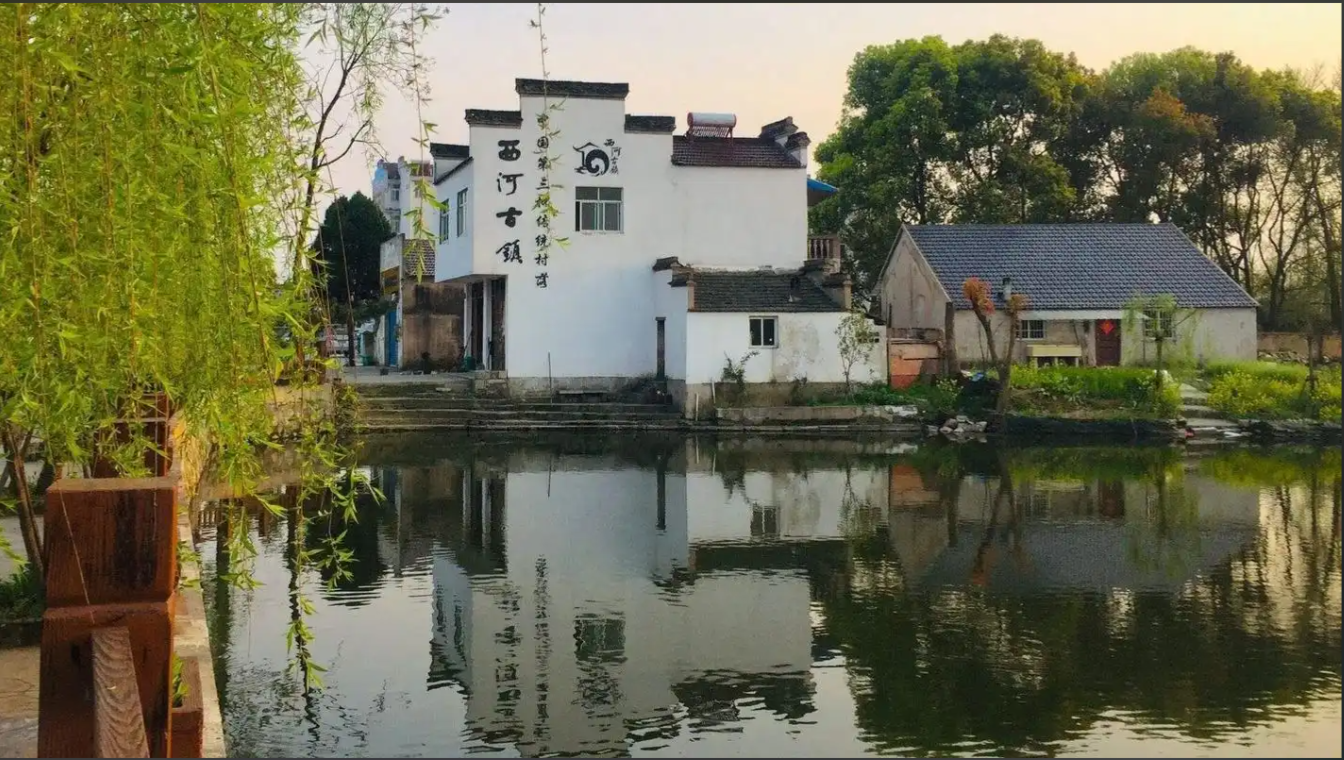
Along the slow turn of the Yangtze River, where the water widens and the air grows heavy with the scent of wet earth and river silt, lies Wuhu—a city that prefers to whisper rather than shout. Known historically as "Jiuzi," Wuhu has long been a vital port on the lower Yangtze, a place where the rhythms of trade and the pace of daily life have learned to coexist. It is a city defined by its relationship with water, yet it is the unexpected solidity of its hills and the deliberate grace of its urban planning that leave the deepest impression.
To walk through Wuhu is to navigate a dialogue between the ancient and the contemporary. The Zheshan Park (Crane Hill) offers a quiet vantage point over the city; from its summit, one can see the spires of old temples nestled against the sleek lines of modern bridges crossing the Qingyi River. Nearby, Mirror Lake (Jinghu) reflects the passing clouds and the elegant silhouettes of weeping willows, embodying the classical Chinese aesthetic of "half city mountain, half city water." This is not a static beauty, but a lived one, where residents practice tai chi at dawn and students drift along the banks at dusk.
Wuhu’s cultural soul, however, is perhaps best understood through its embrace of craft and innovation. It is the birthplace of the Hollow-face Carved Lacquerware, a technique so delicate it seems to defy the rigidity of wood and the viscosity of lacquer. This spirit of intricate creation extends to its literary heritage; the city honors the memory of Wu Jingzi, author of The Scholars, whose satirical pen captured the complexities of scholarly life during the Qing Dynasty. Today, this legacy is housed in the tranquil setting of the Wuhu Museum, which connects the dots between ancient bronzes and the city’s rise as a modern industrial and tech hub.
Yet, Wuhu reserves its most playful surprises for the visitor. It is home to Fantawild Adventure, a flagship of Chinese creative industries, where high-tech storytelling brings mythology to life. This juxtaposition—of serene lakeside pavilions and cutting-edge theme parks—speaks to a city confident in its identity. Wuhu does not fear the new; it simply asks that the new honor the old.
Culinary traditions here are similarly grounded. A bowl of Wuhu Shrimp Roe Noodles is not merely a meal but a taste of the river’s bounty, its briny depth a reminder of the city’s maritime connections. The local saying, "Arrive in Wuhu at dawn, depart from Wuhu at dusk," hints at a city that is easy to enter but difficult to leave, its charms accumulating slowly like the sediment of the great river it calls home. In an age of rapid urbanization, Wuhu offers a different proposition: a place where progress is measured not just in GDP, but in the preservation of its reflective waters and the quiet dignity of its hills.
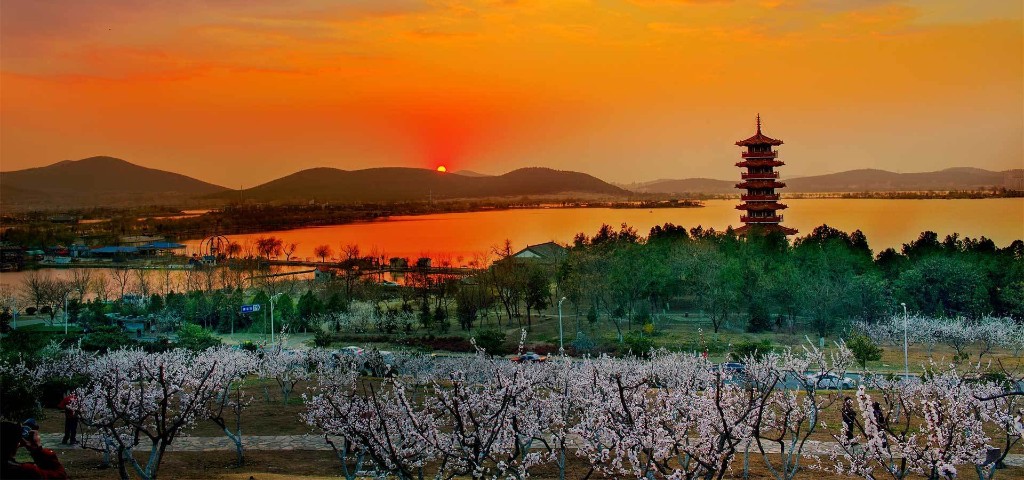
Xuzhou sits at the crossroads of northern Jiangsu and the vast North China Plain, a place where ancient roads, the Grand Canal and the great rail trunk lines still seem to hum with the memory of armies, merchants and scholars who once called this “the gateway of five provinces.” Yet what defines the city today is less its strategic map coordinates than its cultural gravity: if you want to understand why Chinese people speak of Hanas more than a dynasty—as a sensibility—you come to Xuzhou, the old Pengcheng, where the silhouette of that civilisation is visible not behind glass alone, but in hillsides, underground chambers, and the rhythm of daily life.
What strikes a visitor first is how the city wears its age without turning into a museum. You feel it on Yunlong Mountain, where paths wind above Yunlong Lake and the skyline keeps negotiating with greenery rather than erasing it; you feel it again in the Pengcheng historic spine where projects like “Pengcheng Qili”try to stitch together living streets, courtyard shadows and landmarks such as Huanglou, the Confucian Temple precinct, Huibu Mountain, and older neighbourhoods like Huilongwo, so that history reads like a continuous sentence instead of a series of exhibits. And then you go underground, into the calm, almost theatrical corridors of the city’s Han princely tombs and burial complexes (places locals proudly describe as an “oriental pyramid” landscape), and into institutions like the Xuzhou Museum, where a gold-thread jade burial suit and Han pottery figures do not merely attest to craftsmanship, but to a worldview—orderly, symbolic, oddly modern in its restraint.
Because Xuzhou tends to treat heritage as something you inhabit, its cultural diplomacy works the same way. The city has spent nearly forty years turning “being open to the world” into a habit, and today its international network is spoken of in round numbers you can hear from the city’s own podium: 20 international sister cities and roughly 40 international friendship/exchange cities, a total “circle of friends” that has grown to about 62–63 pairs, spread across five continents.
But in Xuzhou’s telling, a sister‑city tie is not a plaque on a wall. It becomes a working language of exchange: joint exhibitions and youth art programmes (the long‑running Xuzhou–Handa youth painting exchange is one local byword); university and vocational linkages anchored by institutions like China University of Mining and Technology and Jiangsu Normal University; medical and public‑health collaboration channels; and, increasingly, green/liveability themes, where Xuzhou has used platforms like the International Garden Expo to invite sister cities to design gardens that carry a piece of their own landscape onto Xuzhou soil. More recently, the city packaged this ethos into a significant programme—“Talking to the World” Sister Cities Cross‑Cultural Exchange—explicitly framed around Han music, Han dance, ICH (intangible cultural heritage) and two‑way promotion, delivered partly through virtual classrooms that turn a Han‑style city into a shared stage rather than a one‑way showcase.
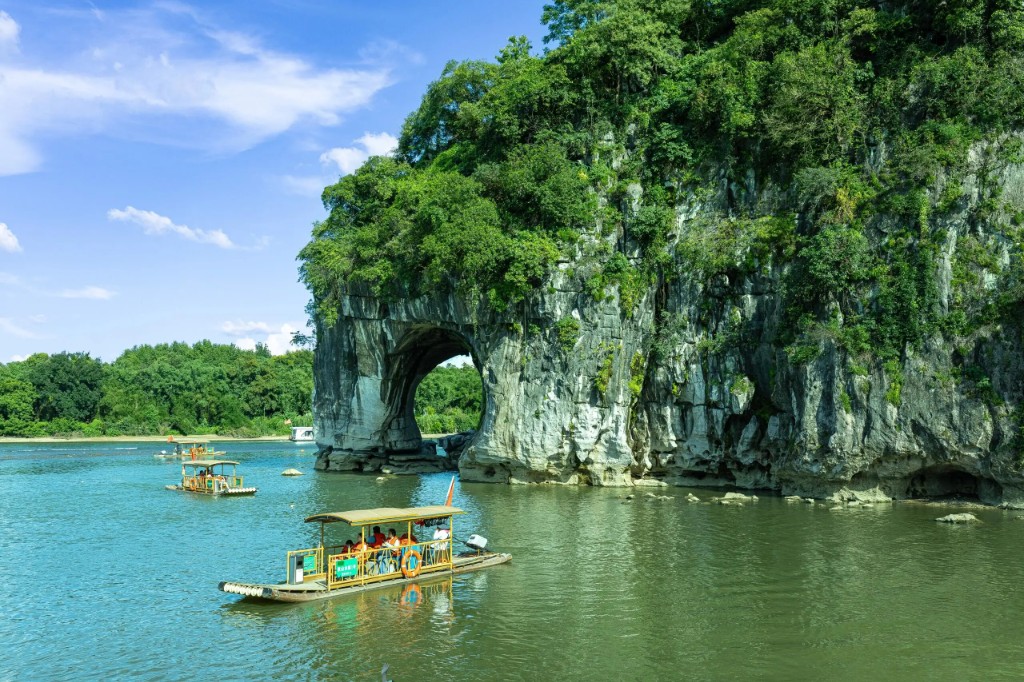
Guilin is a world-renowned tourist city in northeastern Guangxi Zhuang Autonomous Region, covering an administrative area of ~27,800 km² and home to a permanent population of roughly 4.95 million (2025). For millennia, its karst landscape has defined the city’s identity—so famously that the Chinese saying “Guilin’s scenery is the finest under heaven”has become shorthand for its global appeal.
This is a city where geography and history have long conversed. For over two thousand years, since its founding during the Qin Dynasty, Guilin has been a crossroads of cultures and civilizations. The ancient Lingqu Canal, a feat of early hydraulic engineering, still whispers of the empire’s reach, while the echoes of drum towers and folk songs from the Zhuang, Yao, Miao, and Hui communities add layers of human texture to the natural grandeur. The city carries the weight of its designation as a National Historical and Cultural City with quiet dignity, its streets and riverbanks lined with the quiet evidence of dynasties passed.
Yet Guilin is far from a relic. It thrives as a living canvas where ecological stewardship meets modern ambition. The karst formations that earned it a place on the UNESCO World Natural Heritage list as part of the South China Karst are fiercely protected, ensuring that the river’s Class II water quality and the region’s near sixty-five percent forest coverage remain intact. Visitors find themselves drifting between worlds: gliding past fishing cormorants at dawn, exploring the illuminated chambers of Reed Flute Cave by afternoon, or watching the terraced rice fields of Longji blush gold under the harvest sun. Evenings unfold to the rhythms of impression-style light shows or the simpler pleasure of a bowl of Guilin rice noodles, savored at a street-side stall.
Guilin positions itself as both a scenic icon and a livable eco-destination: reported forest coverage ~64.99%, with the Lijiang River mainstream maintaining Class II water quality year-round. Beyond sightseeing, the destination offers a layered product mix—river cruises & bamboo rafting, countryside cycling & hiking, cave exploration, terraced-field culture (e.g., Longji), ethnic Zhuang/Yao/Miao/Hui community experiences, gastronomy (Guilin rice noodles & more), and night-time spectacles/impression-style performances—supported by a national comprehensive transport hub anchored by Guilin Liangjiang International Airport (KWL/ZGKL) and high-speed rail/expressway corridors
Today, Guilin positions itself not just as a destination, but as an experience—a place where the phrase "Guilin’s scenery is the finest under heaven" feels less like a slogan and more like a lived truth. As a national comprehensive transport hub, it welcomes the world with the ease of an international gateway, yet retains the intimacy of a city that measures its wealth in mountains and rivers rather than skyscrapers. Whether hosting dignitaries or backpackers, Guilin continues to offer what it always has: a profound sense of scale, where humanity feels both small against the ancient stone peaks and deeply connected to the timeless flow of the river below.