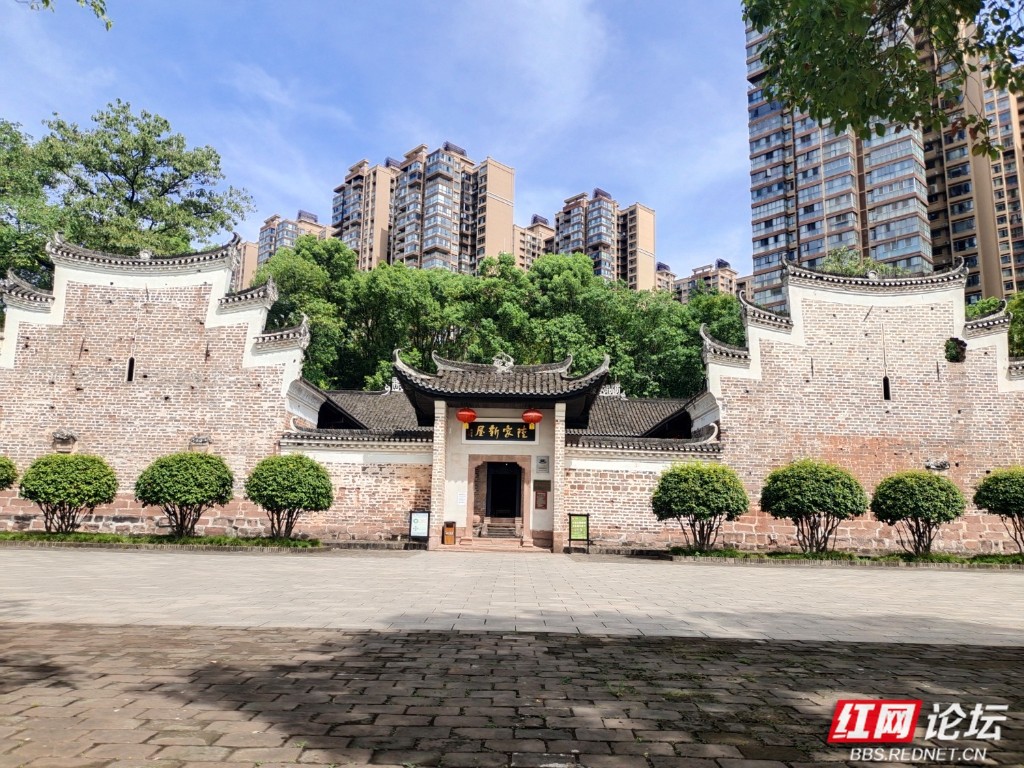
Lujia New House, located in the Zhengxiang District of Hengyang City, Hunan Province, is a well-preserved ancient residential complex representing typical Southern Hunan architectural style from the late Qing Dynasty. Today, it serves a dual purpose as a National 3A-level tourist attraction and the site of the Hengyang Battle of Hengyang Memorial Hall, standing as a significant landmark for patriotic and national defense education.
Constructed between 1875 and 1881, the residence was funded by Lu Chengzu (1838–1891), a distinguished Qing Dynasty general who held the title of “Zhenwei General.” The complex covers an area of 2,640 square meters and features a traditional brick-and-wood structure oriented north-south. It consists of two main entrances, four wing rooms, and auxiliary buildings such as stables. The architecture is renowned for its exquisite craftsmanship, including intricate wood carvings, colorful paintings, and stack sculptures depicting auspicious symbols like “Phoenix Facing the Sun” and “Eight Treasures.”
Lujia New House is not only an architectural gem but also a silent witness to the fierce Battle of Hengyang in 1944 during the War of Resistance Against Japanese Aggression. In June 1944, the house was occupied by a small unit of the Japanese army as a temporary command post. Chinese forces launched a counterattack, leading to intense close-quarters combat.
To this day, the outer and inner walls of the building bear dozens of visible bullet holes and shell craters, with some damage measuring up to one meter in diameter. These scars serve as tangible evidence of the brutal fighting and the heroic resistance of the Chinese soldiers and civilians.
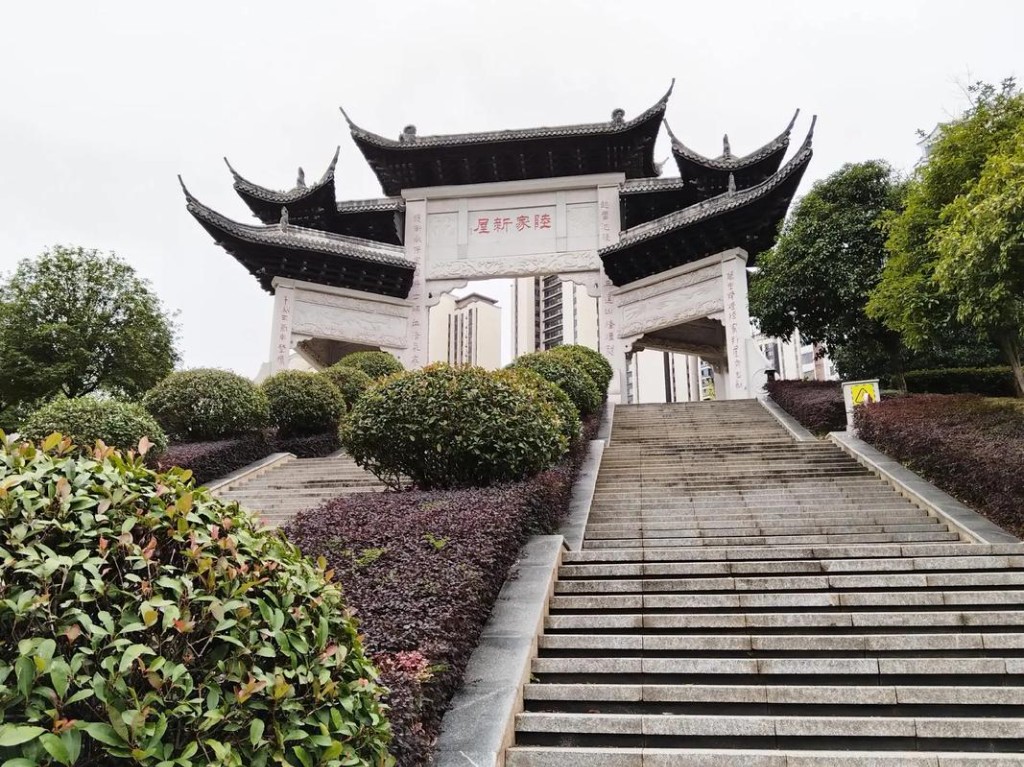
In 2007, the west wing of the residence was converted into the Hengyang Battle of Hengyang Memorial Hall. The exhibition, themed “Loyal Martyrs Strengthen the National Soul,” utilizes authoritative historical data, photographs, charts, and artifacts to recount the 47-day siege of Hengyang. It highlights the strategic importance of the city and the immense sacrifice made by its defenders, offering visitors a profound insight into this pivotal chapter of modern Chinese history.
Visitor Information
Location: 800 meters south of Huaxin Bus Station, Zhengxiang District, Hengyang City.
Admission: Free.